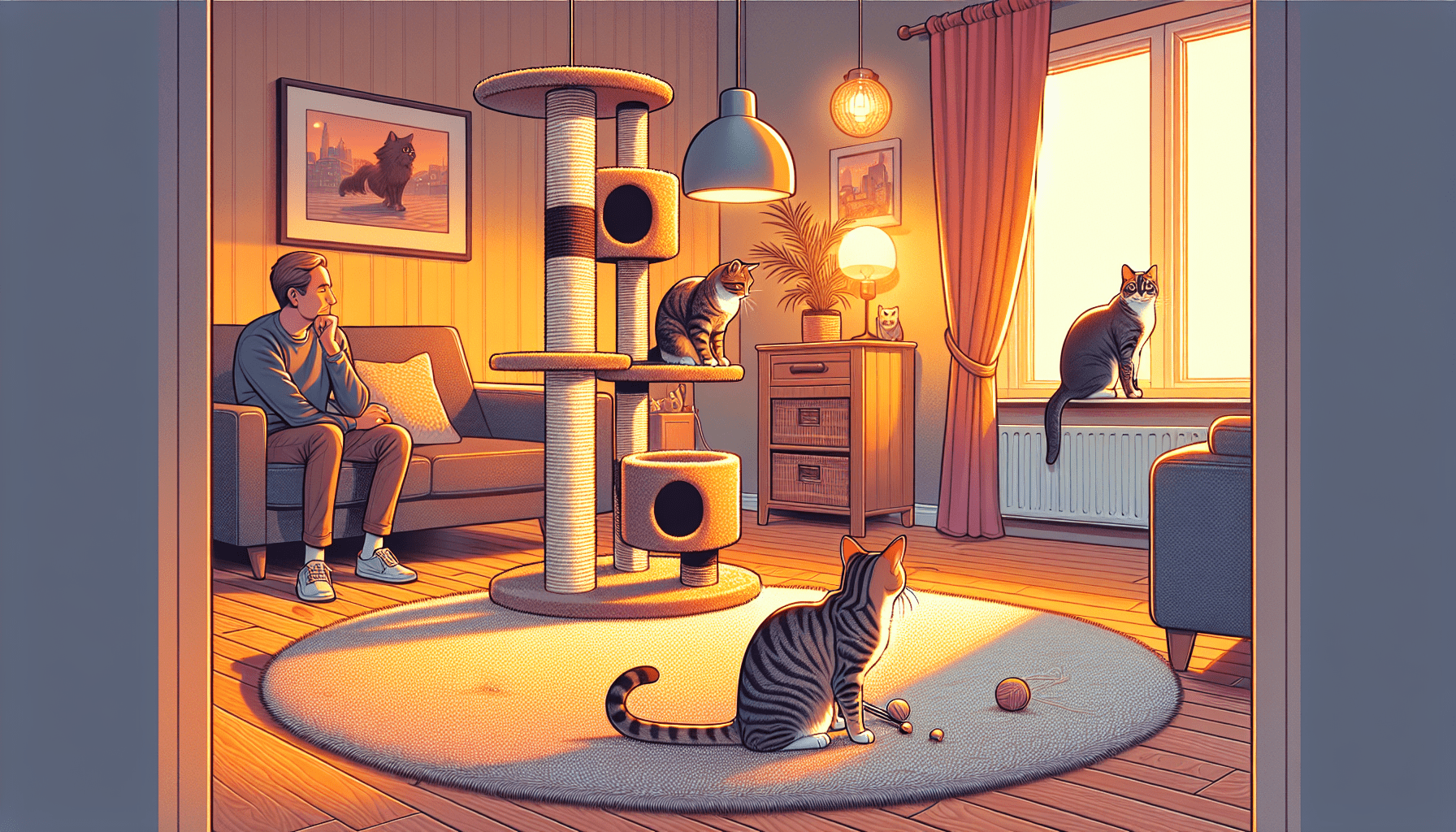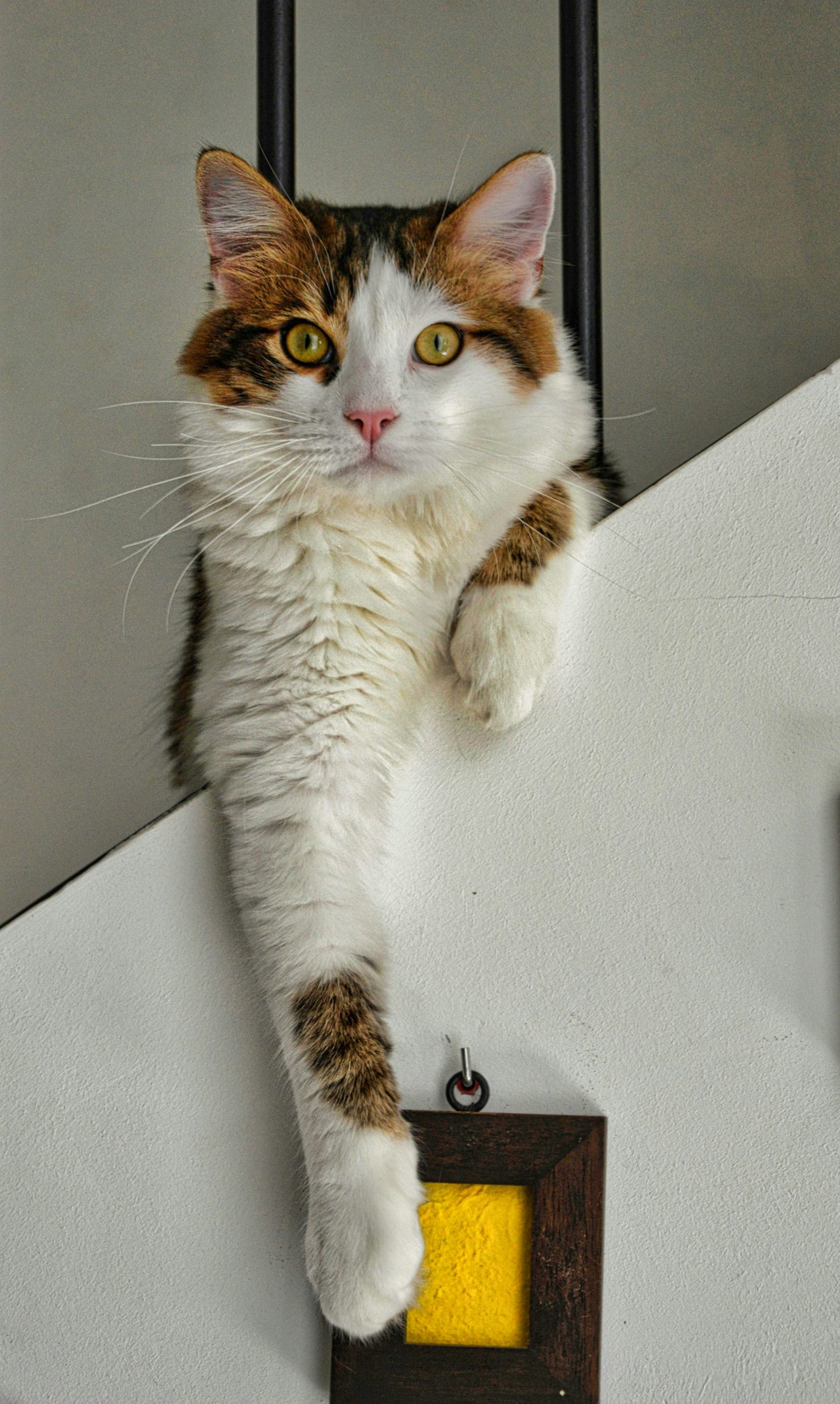
If you’re a cat owner, you know that scratching is an innate behavior in felines. Not only does it provide them with exercise, but it also helps to keep their claws healthy and sharp. However, finding the right scratching post for your furry friend can be a daunting task with a wide range of options available. From carpeted posts to sisal-wrapped ones, each claiming to be the best, it’s important to understand which type will suit your cat’s needs and preferences. In this article, we’ll explore the various types of scratching posts and help you choose the one that will keep your cat entertained and your furniture scratch-free.
Vertical Scratching Posts
Height
When choosing a vertical scratching post for your cat, it is important to consider the height. Cats love to stretch up and fully extend their bodies while scratching. Look for a post that is tall enough for your cat to stretch to their full height. This will allow them to engage in a satisfying and effective scratching experience.
Stability
Stability is another crucial factor to consider when selecting a vertical scratching post. Cats can get quite vigorous while scratching, so it’s important to choose a post that won’t wobble or topple over easily. Look for posts that have a wide and sturdy base, ensuring that they will stay put even during the most enthusiastic scratching sessions.
Material
The material of the scratching post is also an important consideration. Many vertical scratching posts are made from sisal rope, which provides a satisfying texture for cats to sink their claws into. Sisal rope is durable and long-lasting, making it a popular choice among cat owners. However, some posts may also be made with carpet or other materials. Consider your cat’s preferences and choose a material that they will enjoy scratching.
Texture
Texture plays a significant role in attracting cats to a scratching post. Cats have a natural instinct to scratch and mark their territory, and they are particularly drawn to rough textures. Look for posts that have a texture that mimics tree bark or rough surfaces, as these are more likely to entice your cat to scratch on them.
Multiple Levels
Vertical scratching posts with multiple levels offer cats more opportunities for climbing and scratching. Cats love to have different heights to explore and perch on, so a scratching post with platforms or perches can provide them with additional entertainment and exercise. Look for posts that offer various levels or even shelves for your cat to enjoy.
Sisal Rope
Sisal rope is a popular material used in vertical scratching posts. It provides the perfect texture for cats to sink their claws into and satisfies their natural instinct to scratch and stretch. Sisal rope is durable, allowing cats to scratch vigorously without causing damage to the post. It is also easy to replace if necessary, making it a convenient choice for cat owners.
Carpet
Some vertical scratching posts are covered in carpet. While this may not provide the same satisfying texture as sisal rope, some cats still enjoy using carpeted posts for scratching. However, it’s important to note that carpeted posts may not be as durable as those made with sisal rope, as the carpet can wear down over time with intense scratching.
Other Materials
There are also vertical scratching posts available that are made with other materials such as wood or fabric. These materials can provide alternative textures and aesthetic options for cat owners. However, it’s essential to ensure that these materials are durable and able to withstand regular scratching to prevent any accidents or damage.
Horizontal Scratching Posts
Length
When considering a horizontal scratching post, the length becomes an important factor. Cats enjoy a good stretch, even horizontally. Look for a scratching post that is long enough for your cat to fully extend their body while scratching. This will allow them to engage in a satisfying and comfortable experience.
Stability
Stability is equally important for horizontal scratching posts as it is for vertical ones. Your cat will exert force on the post while scratching, so it’s crucial to choose a stable post that won’t slide or tip over easily. Look for posts with a wide and sturdy base to ensure stability during vigorous scratching sessions.
Material
Like vertical posts, horizontal scratching posts can be made from various materials. Sisal fabric is a popular choice for horizontal posts as it provides a great texture for scratching. However, cardboard is also commonly used and can be an affordable and environmentally friendly option. Consider the material that your cat prefers and choose accordingly.
Texture
Texture plays a significant role in attracting cats to a horizontal scratching post. Just like with vertical posts, rough textures such as sisal fabric or corrugated cardboard tend to be more appealing to cats. These textures mimic natural surfaces and are more likely to entice your cat to scratch on the post.
Flat Surface
Unlike vertical posts that provide height and climbing opportunities, horizontal scratching posts offer a flat surface for scratching. This can be particularly appealing to cats who prefer to scratch while lying down or stretching out. Consider your cat’s scratching habits and preferences when choosing a post with a suitable flat surface.
Sisal Fabric
Sisal fabric is a popular material used in horizontal scratching posts. It provides a satisfying rough texture and is durable enough to withstand intense scratching. Sisal fabric also allows for easy claw gripping, giving your cat a satisfying scratching experience. Additionally, it can be replaced if worn out, extending the lifespan of the post.
Cardboard
Cardboard scratching posts are another popular choice for horizontal scratching. They are often made of corrugated cardboard, which provides a rough texture that cats love. Cardboard scratchers can be affordable and easily replaced when worn out. They are also environmentally friendly and can be recycled after use.
Other Materials
In addition to sisal fabric and cardboard, there are other materials used in horizontal scratching posts. Some posts may be made with different fabrics or even natural wood. These materials can offer variety and aesthetic appeal, but it’s important to consider their durability and suitability for scratching to ensure your cat’s safety and satisfaction.
Wall-Mounted Scratching Posts
Space-Saving
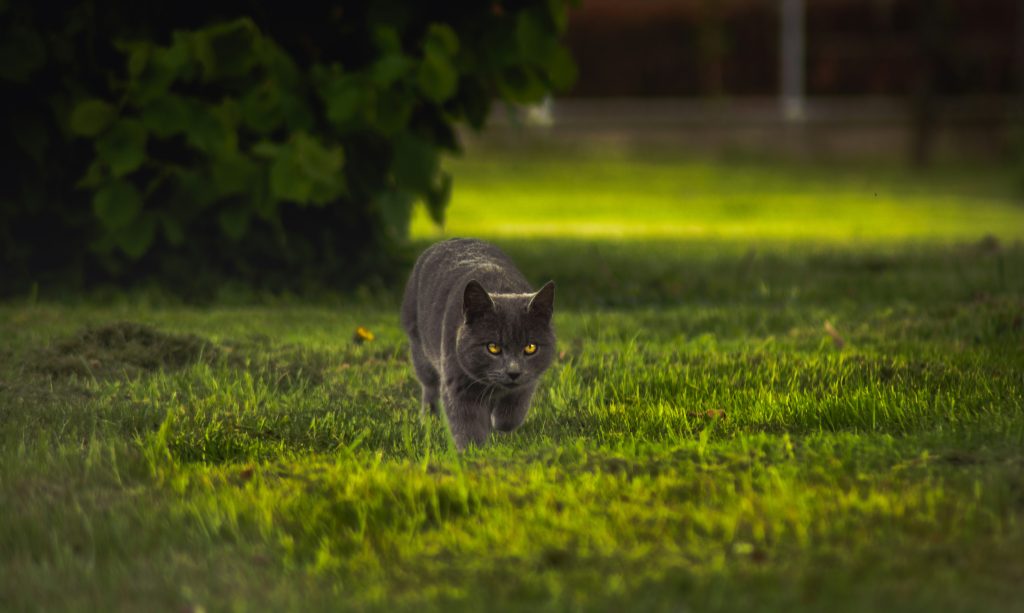
Wall-mounted scratching posts are an excellent choice for those with limited floor space. By attaching the post to a wall, you can provide your cat with a dedicated scratching area while saving valuable floor space. This is especially beneficial in smaller homes or apartments where every inch counts.
Installation
When considering a wall-mounted scratching post, it’s important to assess the installation process. Look for posts that come with clear instructions and all the necessary hardware for easy installation. Ensure that the post can be securely mounted to the wall to prevent any accidents or damage.
Material
Wall-mounted scratching posts can be made from various materials, including sisal fabric, wood, or even PVC. Choose a material that suits your cat’s preferences and will withstand their scratching habits. It’s important to ensure that the material is sturdy and resistant to wear and tear to provide a long-lasting scratching solution.
Texture
Texture is important in attracting cats to wall-mounted scratching posts. Cats are more likely to be enticed by rough textures that mimic natural surfaces. Look for posts with a texture that encourages scratching, such as sisal fabric or rough wood. This will increase the likelihood that your cat will use and enjoy the scratching post.
Vertical or Horizontal Orientation
Wall-mounted scratching posts can come in both vertical and horizontal orientations. Consider your cat’s scratching preferences and habits when choosing between the two. Some cats prefer to stretch up and scratch vertically, while others enjoy scratching horizontally. Observing your cat’s behavior will help you determine which orientation is best for them.
Sisal Fabric
Sisal fabric is a common material used in wall-mounted scratching posts. It provides an appealing texture for scratching and is durable enough to withstand regular use. Sisal fabric is also replaceable, making it a convenient option for long-term use. Consider the benefits of sisal fabric when choosing a wall-mounted scratching post.
Wood
Wall-mounted scratching posts made with wood can offer a different aesthetic appeal. They can blend well with your home decor while providing a sturdy and durable scratching surface for your cat. Ensure that the wood is smooth and splinter-free to prevent any potential injury to your cat.
Other Materials
In addition to sisal fabric and wood, there are other materials used in wall-mounted scratching posts. Some posts may incorporate different fabrics, ropes, or even PVC pipes. These materials can offer different textures and visual variety. However, ensure that these materials are durable and safe for your cat’s scratching needs.
Scratching Towers
Height
Scratching towers provide cats with a vertical space to scratch and climb, so height is an essential consideration. Look for towers that are tall enough to allow your cat to fully stretch while scratching. This will provide them with a satisfying and effective scratching experience.
Stability
As with any cat furniture, stability is crucial for scratching towers. Cats love to climb and play on tall structures, so it’s important to choose a tower that won’t wobble or topple over easily. Look for towers with a sturdy base and solid construction to ensure your cat’s safety during their exploration.
Base Design
The design of the base is another aspect to consider when selecting a scratching tower. A wide and robust base will provide better stability and prevent any potential tipping. Ensure that the tower has a stable foundation to support your cat’s climbing and scratching activities.
Material
The material of the scratching towers can vary, with some being made of wood, sisal rope, or carpet. Consider the durability and longevity of the material, as well as your cat’s preferences. Cats generally enjoy the texture of sisal rope, but some may prefer carpeted surfaces. Assess your cat’s habits to choose the most suitable material.
Texture
Texture plays a crucial role in attracting cats to a scratching tower. Cats enjoy rough textures that mimic natural surfaces like tree bark. Look for towers with rough textures, such as sisal rope or coarse carpet, as they are more likely to entice your cat to scratch and climb. The texture should provide a satisfying scratching experience.
Multiple Scratching Surfaces
Scratching towers that feature multiple scratching surfaces provide cats with more options and stimulation. Cats love to scratch on various surfaces, so a tower with different levels, platforms, or posts can provide them with a more engaging and enjoyable experience. Look for towers that offer multiple scratching surfaces to keep your cat entertained.
Sisal Rope
Sisal rope is a popular material used in scratching towers. It provides a rough texture that cats find satisfying for scratching and clawing. Sisal rope is durable and resistant to wear, making it an excellent choice for long-term use. It also provides a secure grip for your cat’s claws, enhancing their scratching experience.
Carpet
Some scratching towers feature carpeted surfaces. While not as durable as sisal rope, carpet provides a softer texture that some cats may prefer. If choosing a carpeted tower, ensure that the carpet is securely attached and can withstand regular scratching without fraying or unraveling.
Other Materials
In addition to sisal rope and carpet, there are scratching towers made with other materials such as wood, fabric, or PVC. These materials can offer different visual aesthetics and textures. However, it’s important to choose materials that are durable and safe for your cat’s scratching needs.
Cat Trees with Scratching Posts
Height
Cat trees with scratching posts are designed to provide cats with a vertical space to scratch, climb, and explore. Consider the height of the cat tree, ensuring that it is tall enough for your cat to stretch to their full length while scratching. This will allow them to engage in a satisfying scratching experience.
Stability
Stability is crucial when it comes to cat trees with scratching posts. Cats love to climb and play on these structures, so it’s important to choose a tree that can withstand their activities without wobbling or tipping over. Look for a cat tree with a wide and sturdy base to provide maximum stability.
Base Design
The design of the base should also be taken into consideration when selecting a cat tree with scratching posts. A solid and well-designed base will provide better stability and prevent any potential accidents. Look for cat trees with a strong and stable base that can support your cat’s movements and play.
Material
The material of the cat tree and scratching posts is an essential factor to consider. Cat trees are often made with a combination of materials such as wood, sisal rope, and carpet. Assess your cat’s preferences and habits to choose a cat tree with materials that they will enjoy scratching and climbing on.
Texture
Texture is another important consideration when it comes to cat trees with scratching posts. Cats are drawn to rough textures that mimic natural surfaces like tree bark. Look for cat trees with scratching posts that have a texture that will appeal to your cat’s natural instincts. Rough surfaces such as sisal rope or coarse carpet are more likely to entice your cat to scratch and climb.
Multiple Levels
Cat trees with scratching posts often feature multiple levels or platforms for cats to climb and perch on. Cats love to have different heights to explore and rest on, so a cat tree with multiple levels can provide them with additional entertainment and exercise. Look for cat trees with various levels or even shelves for your cat to enjoy.
Sisal Rope
Sisal rope is commonly used in cat trees with scratching posts. It provides a rough and satisfying texture for cats to sink their claws into. Sisal rope is also durable and can withstand regular scratching without easily fraying or unraveling. Consider cat trees with sisal rope scratching posts for a long-lasting and enjoyable scratching experience.
Carpet
Some cat trees incorporate carpeted surfaces for scratching. While not as durable as sisal rope, carpet can provide a softer texture that some cats may prefer. If choosing a cat tree with carpeted scratching posts, ensure that the carpet is securely attached and resistant to wear from regular scratching.
Other Materials
There are cat trees available with scratching posts made from alternative materials such as fabric, PVC, or natural wood. These materials can offer different textures and aesthetic options for cat owners. However, it’s important to ensure that these materials are durable, safe, and able to withstand regular scratching to prevent any accidents or damage.
Additional Features
Some cat trees with scratching posts may come with additional features to further enhance your cat’s experience. These features can include hanging toys, hiding spots, or even built-in sleeping areas. Consider your cat’s preferences and behavior to choose a cat tree that provides additional features they will enjoy and benefit from.
Cardboard Scratchers
Size
Cardboard scratchers come in various sizes, from small individual pads to large loungers. Consider the size of your cat and their scratching habits when selecting a cardboard scratcher. It should be large enough for your cat to comfortably stretch and scratch on.
Stability
Though cardboard scratchers may not be as stable as other types of scratching posts, it’s still important to choose one that won’t slide or tip over easily. Look for scratchers with anti-slip bases or ones that can be anchored to the floor to provide stability during vigorous scratching.
Material
Cardboard scratchers are specifically made of corrugated cardboard, which provides a rough and satisfying texture for cats to scratch on. Ensure that the cardboard used is of good quality and thickness to withstand regular scratching without easily crumbling or tearing.
Texture
The rough texture of corrugated cardboard is what attracts cats to cardboard scratchers. This type of texture mimics natural surfaces and provides an enjoyable scratching experience. Look for scratchers with corrugated cardboard that offers a satisfying and tactile texture for your cat.
Reversible Design
Some cardboard scratchers feature a reversible design, with two scratching surfaces on either side. This allows for extended use by simply flipping the scratcher over when one side becomes worn out. A reversible design can extend the lifespan of the scratcher and provide your cat with continued scratching satisfaction.
Replaceable Inserts
Another feature to consider in cardboard scratchers is the ability to replace the cardboard inserts. Over time, cardboard can wear down from frequent scratching. Having the option to replace the inserts can ensure that your cat always has a fresh and effective scratching surface.
Eco-Friendly
Cardboard scratchers are an eco-friendly option for cat owners. Once the scratcher has reached the end of its life, it can be easily recycled. By choosing a cardboard scratcher, you are supporting sustainable practices and minimizing waste.
Additional Features
Some cardboard scratchers may come with additional features such as built-in toys or lounging areas. These features can provide extra entertainment and comfort for your cat. Consider your cat’s preferences and behavior to choose a cardboard scratcher with additional features they will enjoy.
Scratching Posts with Toys
Interactive Toys
Scratching posts that incorporate interactive toys can provide your cat with mental stimulation and exercise while they scratch. These toys often feature dangling objects, feathers, or bells that mimic prey, encouraging your cat to play and interact with the post.
Dangling Toys
Dangling toys are popular additions to scratching posts. These toys hang from a string or elastic, allowing your cat to swat and pounce on them as they scratch. Dangling toys can keep your cat entertained and engaged, making their scratching experience more enjoyable.
Ball Toys
Some scratching posts feature ball toys that can be swatted or spun by your cat. These toys can provide entertainment and encourage playfulness while your cat scratches. Ball toys can add an extra level of engagement and exercise to your cat’s scratching routine.
Replaceable Toys
Scratching posts with replaceable toys allow you to switch out or add new toys to keep your cat’s interest piqued. Cats can become bored with the same toys over time, so being able to replace or introduce new toys can keep them engaged and entertained while they scratch.
Sturdiness of Toys
When considering a scratching post with toys, it’s important to ensure that the toys are sturdy and durable. Cats can be quite rough when playing, so the toys should be able to withstand their pouncing and swatting without easily coming apart. Look for toys made with strong materials and secure attachments.
Safety of Toys
The safety of the toys is paramount when choosing a scratching post with toys. Ensure that the toys do not have small parts that can be easily chewed or swallowed by your cat. Additionally, check that any attached strings or elastic are securely fastened to prevent any risks of entanglement or choking.
Material of Toys
The material of the toys can also impact your cat’s enjoyment. Cats are often drawn to toys made from materials that mimic natural prey such as feathers, fur, or soft fabrics. Consider the textures and materials your cat tends to prefer when choosing a scratching post with toys.
Scratching Posts with Hideouts
Hideout Size
Scratching posts with hideouts provide cats with a cozy space to retreat to while still having access to a scratching surface. When choosing a scratching post with a hideout, consider the size of the hideout. It should be large enough for your cat to comfortably enter, turn around, and curl up inside.
Entrance Design
The design of the entrance to the hideout is another important consideration. Look for hideouts with a spacious entrance that your cat can easily access. A well-designed entrance will encourage your cat to explore and use the hideout as a safe and comfortable space.
Stability of Hideout
The stability of the hideout is crucial, as cats may climb or play on top of it. Ensure that the hideout is securely attached to the scratching post and can withstand your cat’s movements without shifting or becoming unstable. A sturdy hideout will provide your cat with a secure and safe space.
Material of Hideout
The material of the hideout is important both for your cat’s comfort and durability. Look for hideouts made from soft and cozy materials such as plush fabric or fleece. These materials will provide a comfortable and inviting space for your cat to relax in.
Texture of Hideout
The texture of the hideout can also impact your cat’s comfort and enjoyment. Cats often prefer soft and plush textures that mimic the feeling of being cuddled. Look for hideouts with a texture that your cat will find reassuring and enjoyable.
Multiple Hiding Spots
Some scratching posts with hideouts feature multiple hiding spots. These multi-level hideouts provide cats with various options for exploration and relaxation. Cats love having different areas to retreat to, so a scratching post with multiple hiding spots can provide them with additional security and excitement.
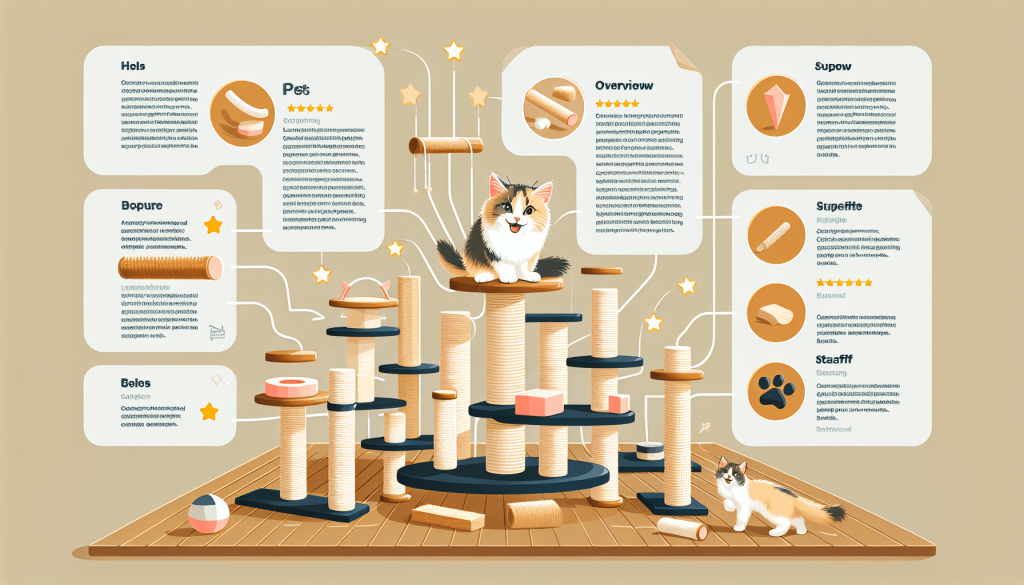
Cat Scratching Posts for Small Spaces
Compact Design
Cat scratching posts for small spaces are designed to make the most of limited areas. Look for posts with a compact design that don’t take up too much floor space. These posts can be vertical or horizontal, allowing you to provide your cat with a scratching area even in tight spaces.
Space-Saving
The space-saving aspect is one of the key features to consider when selecting a scratching post for small spaces. Look for posts that can be mounted on walls, hung from doors, or integrated into existing furniture. These options can help maximize your available space while still giving your cat a place to scratch.
Installation
Consider the installation process when choosing a scratching post for small spaces. Look for posts that come with clear instructions and all the necessary hardware for easy installation. Ensure that the post can be securely attached to your desired location to prevent any accidents or damage.
Stability
Even in small spaces, stability is essential for a scratching post. Cats can get quite vigorous while scratching, so it’s important to choose a post that won’t wobble or tip over easily. Look for posts with a wide and sturdy base or secure attachment options to ensure stability during your cat’s scratching sessions.
Material
The material of the scratching post should be suitable for your cat’s scratching needs and preferences. Consider whether your cat prefers sisal rope, fabric, carpet, or other textures. Assess the durability of the material and its resistance to wear and tear from regular scratching.
Texture
Texture plays a significant role in attracting cats to a scratching post. Rough textures that mimic natural surfaces tend to be more appealing to cats. Look for scratching posts with a texture that will entice your cat to scratch, such as sisal rope or rough fabric.
Height
The height of the scratching post should be appropriate for your cat’s scratching habits and preferences. Cats love to stretch and fully extend their bodies while scratching. Choose a post that allows your cat to engage in a satisfying and comfortable scratching experience, even in a small space.
Multiple Surfaces
Even in a small space, providing multiple scratching surfaces can help keep your cat entertained and satisfied. Look for scratching posts that offer various levels, platforms, or different materials for scratching. This variety can help prevent boredom and encourage your cat to use the post regularly.
DIY Scratching Post Ideas
Materials
When considering a DIY scratching post, there are various materials you can choose from. Common options include sisal rope, carpet remnants, PVC pipes, cardboard, and wood. Assess the durability and availability of these materials before selecting the most suitable option for your DIY project.
Tools
The tools required for your DIY scratching post will depend on the materials and design you choose. Basic tools such as saws, drills, staple guns, and hammers are often needed. Assess the tools you have available or are willing to invest in before embarking on your DIY project.
Design
The design of your DIY scratching post is limited only by your imagination and the materials you have chosen. Consider your cat’s preferences and needs, as well as the available space, when designing your scratching post. Look for inspiration online or in cat furniture books to get ideas for unique and practical designs.
Stability
Ensure that your DIY scratching post is stable and secure. Cats can be quite rough while scratching, and an unstable post can result in accidents or damage. Consider the base design, attachment methods, and overall construction to provide maximum stability for your cat’s scratching needs.
Height
The height of your DIY scratching post should be appropriate for your cat’s stretching and scratching habits. Aim to create a post that allows your cat to fully extend their body while scratching. This will ensure a satisfying and effective scratching experience.
Texture
Texture is key in attracting cats to a scratching post, so consider the different textures of the materials you use. Incorporate rough textures that mimic natural surfaces like tree bark to make the scratching post more enticing for your cat. Ensure that the materials are secure and won’t cause any discomfort or harm to your cat’s paws.
Personalization
One advantage of DIY scratching posts is the ability to personalize them. Consider adding decorative elements or features that reflect your cat’s personality or your home’s style. This adds a unique touch to the scratching post and makes it a more aesthetically pleasing addition to your space.
Safety Considerations
When creating a DIY scratching post, it’s essential to prioritize your cat’s safety. Ensure that all materials are securely fastened and won’t pose any hazards to your cat. Avoid using toxic substances or materials that can be easily ingested. Regularly check the scratching post for any signs of wear or damage to prevent accidents.