
Cats are known for their love of scratching, but have you ever wondered if they have a preference for scratching posts or boards (or furniture ;)? In this article, we will explore the fascinating world of cat scratchers and delve into the question of whether felines have a particular liking for one over the other. Whether you’re a curious cat owner or simply intrigued by our feline friends, read on to discover the answer to this cat-centric conundrum.
Understanding a cat’s scratching behavior
The importance of scratching for cats
Scratching is a natural behavior for cats and serves multiple important purposes. It helps them keep their claws healthy and sharp by removing the outer layers. Additionally, scratching allows cats to stretch their muscles, relieving any tension and promoting flexibility. Scratching also provides a form of exercise for cats, especially those who may spend a significant amount of time indoors.
Reasons why cats scratch
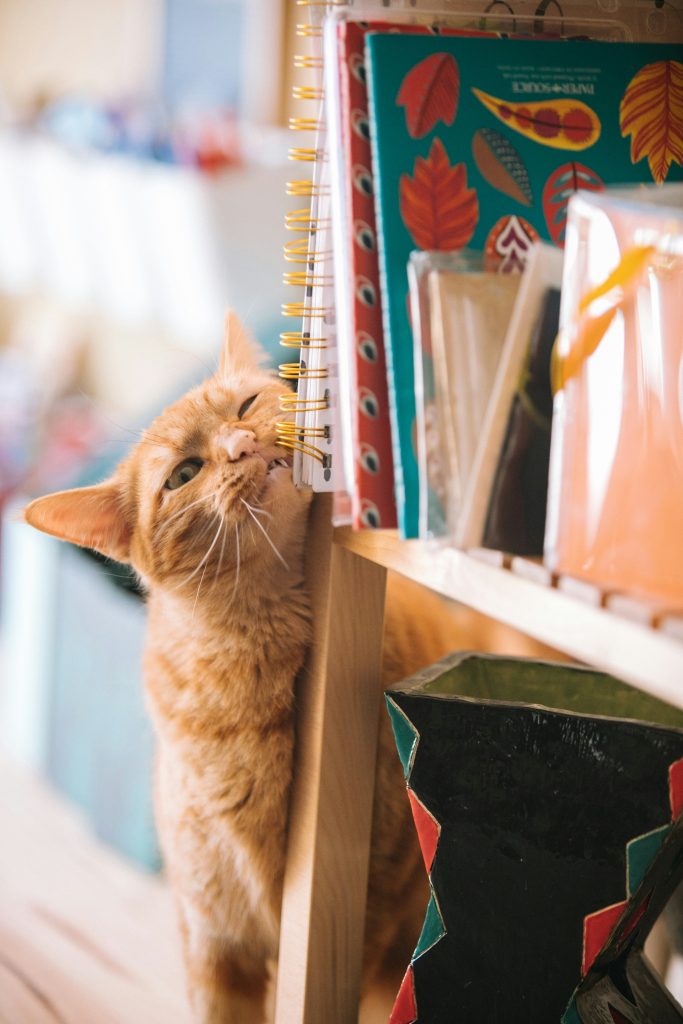
Cats scratch for various reasons, and understanding these reasons can help cat owners provide appropriate scratching options. One primary reason is to mark their territory, as cats have scent glands in their paws. Scratching also helps cats relieve stress and frustration, acting as a coping mechanism. Furthermore, scratching can serve as a form of communication, signaling various messages to other cats or even humans.
Different types of scratching surfaces
Cats have their unique preferences when it comes to scratching surfaces, and it is essential to provide a variety of options to cater to their needs. Common scratching surfaces include carpet, wood, sisal, and cardboard.
Advantages of scratching posts
Appropriate height and stability
When choosing a scratching post, it is important to consider its height. Cats typically prefer posts that allow them to fully extend their bodies while scratching. Additionally, stability is crucial to ensure that the post doesn’t topple over, as this may deter cats from using it.
Different textures and materials
Scratching posts come in various textures and materials, such as sisal, carpet, or wood. Cats may have different preferences, so offering a variety of surfaces can help cater to their individual needs.
Vertical versus horizontal scratching
Some cats prefer vertical scratching surfaces, while others prefer horizontal ones. A scratching post provides a vertical surface, allowing cats to stretch and dig their claws into it. This mimics their natural behavior of scratching on trees.
Multiple scratching options
Having multiple scratching posts in different areas of your home can prevent cats from scratching on furniture and other inappropriate surfaces. By providing various options, you can increase the chances of satisfying your cat’s scratching needs.
Benefits of scratching boards
Compact and space-saving
Scratching boards are an excellent option for cat owners with limited space. They are typically compact and easy to move around, making them versatile for any room in the house.
Variety of materials
Similar to scratching posts, scratching boards come in a variety of materials, such as cardboard, sisal, or even fabric. Offering different textures can help cater to the preferences of various cats.
Horizontal scratching experience
While scratching posts cater to vertical scratching, scratching boards provide a horizontal surface. Some cats may prefer this position, and offering a board can help accommodate their needs.
Easy customization
Scratching boards often come in a simple design that allows for easy customization. Adding catnip, toys, or even a cozy bed to the board can make it more enticing for your furry friend.
Factors influencing cats’ preference
Individual cat preferences
Every cat is unique and may have their own preferences when it comes to scratching surfaces. Some may prefer carpeted posts, while others may prefer sisal. Understanding your cat’s preferences can help you choose the most suitable scratching options.
Age and energy levels
The age and energy levels of your cat can also impact their scratching preferences. Kittens may prefer softer materials on scratching surfaces, whereas older cats may prefer more durable materials. High-energy cats may require sturdier options that can withstand their vigorous scratching.
Previous scratching experiences
Cats may develop preferences based on their previous experiences. If your cat has had positive experiences with a particular type of scratching surface, they may be more inclined to use it in the future.
Environmental factors
The environment in which your cat lives can also influence their scratching preferences. Cats who primarily live indoors may have different scratching needs compared to those with access to outdoor spaces. Observing their behavior and adjusting the scratching options accordingly can help ensure their satisfaction.
Tips for introducing scratching options
Observe and understand your cat’s preferences
Take the time to observe how your cat scratches and the surfaces they are drawn to. This observation will help you understand their preferences, allowing you to provide suitable scratching options.
Offer a variety of scratching surfaces
Provide a range of scratching surfaces such as posts, boards, and even mats. Offering different textures and materials will increase the chances of finding the perfect match for your cat.
Placement and accessibility
Place the scratching options in strategic areas of your home, where your cat spends the most time. Placing them near furniture that your cat frequently scratches can help redirect their behavior. Additionally, ensure that the scratching surfaces are easily accessible for your cat to encourage regular use.
Incorporate positive reinforcement
When your cat uses a scratching surface appropriately, reward them with praise, treats, or playtime. Positive reinforcement will reinforce the desired behavior and increase the likelihood of them using the provided scratching options.
Importance of training and redirection
Discouraging inappropriate scratching
If your cat scratches furniture or other inappropriate surfaces, it is essential to discourage this behavior. Gentle redirection techniques, combined with positive reinforcement, can help redirect their attention to the appropriate scratching options.
Using redirection techniques
When you catch your cat scratching an undesirable surface, gently redirect them to the nearest scratching post or board. You can do this by gently picking them up and placing them near the appropriate option, encouraging them to use it instead.
Positive reinforcement and rewards
Whenever your cat uses the correct scratching surface, reward them with praise or treats. Positive reinforcement will strengthen their association between using the appropriate scratching options and receiving rewards, further encouraging the desired behavior.
Avoiding punishment
It is crucial to avoid punishing your cat for inappropriate scratching. Punishment can create fear and anxiety, leading to other behavioral issues. Instead, focus on positive reinforcement and redirection techniques to guide their behavior.
Combining scratching posts and boards
Finding the right balance
Using a combination of scratching posts and boards can provide a well-rounded scratching experience for your cat. By offering both vertical and horizontal surfaces, you cater to their individual preferences and provide a variety of options.
Different locations for different surfaces
Strategically place scratching posts and boards in different areas of your home to provide optimal scratching opportunities. For example, place a vertical scratching post near a window to create an enticing view for your cat while introducing a horizontal scratching board near their cozy sleeping area.
Providing options for vertical and horizontal scratching
Having both vertical and horizontal scratching surfaces ensures that your cat can engage in their preferred scratching positions. This variety allows them to stretch and exercise their muscles comprehensively.
Observing individual preferences
Closely observe your cat’s behavior and note their preferred scratching options. Some cats may prefer one type of surface over the other, and catering to their specific preferences will enhance their overall scratching experience.
Alternatives to traditional scratching surfaces
Cardboard scratchers
Cardboard scratchers are a popular alternative to traditional scratching surfaces. They are cost-effective, easily replaceable, and provide a satisfying scratching experience for cats.
Sisal mats and rugs
Sisal mats and rugs offer a natural and durable scratching surface. They can be placed horizontally or vertically, depending on your cat’s preferences.
Scratching trees and towers
Scratching trees and towers provide a comprehensive scratching experience, combining vertical and horizontal surfaces. They often come with additional features such as perches, beds, and toys to enrich your cat’s environment.
Interactive and electronic scratchers
For cats who enjoy interactive play, interactive and electronic scratchers can provide both entertainment and a scratching outlet. These scratchers often incorporate moving parts or sound to engage your cat’s natural instincts.
DIY scratching options
Using recycled materials
There are plenty of DIY options for creating scratching surfaces using recycled materials. For example, repurposing an old wooden ladder or using carpet remnants to create a vertical scratching surface.
Creating a cardboard scratching board
Making a cardboard scratching board is a simple and cost-effective DIY project. It can be customized to your cat’s preferences and easily replaced when worn out.
Homemade sisal scratching posts
Sisal rope can be used to create a homemade scratching post. By wrapping the rope tightly around a sturdy base, you can provide a durable and attractive scratching surface for your cat.
Incorporating catnip and toys
Enhance your DIY scratching options by incorporating catnip or attaching toys to the surface. This will further entice your cat to use the scratching surface and provide additional sensory stimulation.
Conclusion
Cats’ scratching preferences vary, and it is crucial to provide a range of scratching options to meet their individual needs. Understanding the importance of scratching for cats and the reasons behind their behavior allows cat owners to create a positive and fulfilling scratching experience. By observing their preferences, offering a variety of surfaces, and incorporating positive reinforcement, cat owners can promote appropriate scratching behavior while protecting their furniture. Whether it’s scratching posts, boards, or alternative DIY options, providing a well-rounded selection of scratching surfaces ensures that your cat will have a happy and healthy outlet for this natural behavior.


