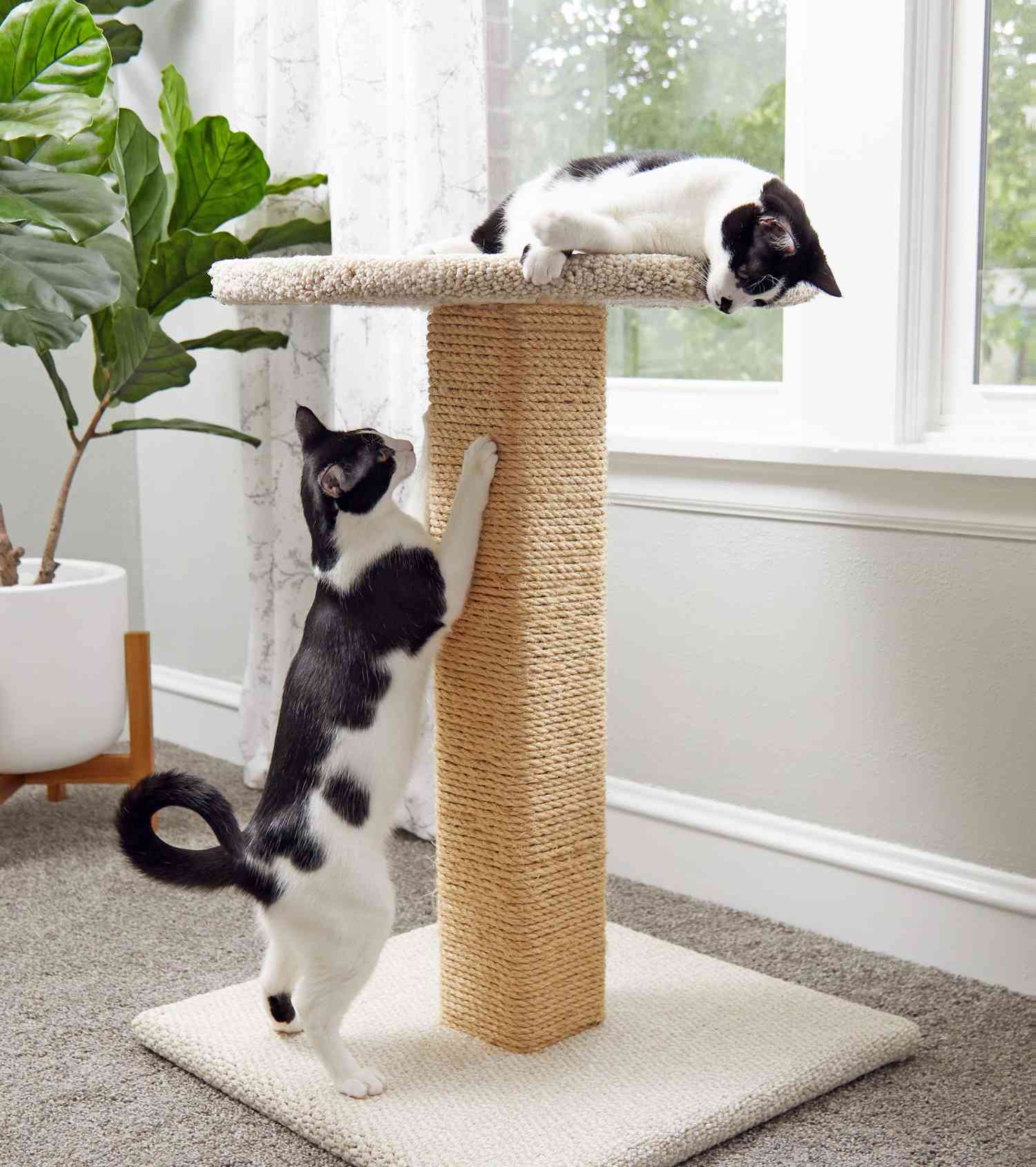
You love your furry friend, but have you ever wondered if all that effort you put into buying a fancy scratching post for them was actually worth it? Do cats really use scratching posts? Well, fret no more, because in this article, we’ll uncover the truth behind this age-old question. Whether you have a curious kitten or a seasoned senior cat, we’ll explore their scratching habits and provide you with some insights that might surprise you. So, sit back, relax, and prepare to have your feline knowledge expanded!

Importance of Scratching Posts
Cats’ instinct to scratch
Scratching is a natural behavior for cats, and it serves several important purposes. Firstly, it helps to keep their claws in good condition by removing the worn-out outer layers. Additionally, scratching enables cats to stretch their muscles and flex their paws, promoting overall physical wellbeing. Moreover, scratching serves as a form of territory marking, as cats leave visual and scent cues on the surfaces they scratch. This helps them establish their presence and claim their territory.
Benefits of scratching for cats
Scratching provides numerous benefits for cats, both physically and mentally. Physically, it helps to maintain healthy claws by shedding the outer layers and keeping them sharp. It also helps to strengthen their muscles and keep them agile. Mentally, scratching provides cats with an outlet for their natural instincts, reducing stress and boredom. It allows them to mark their territory and assert their dominance in a non-destructive manner. Providing cats with appropriate scratching posts can help fulfill their natural needs and prevent unwanted scratching behavior.
Types of Scratching Posts
Vertical scratching posts
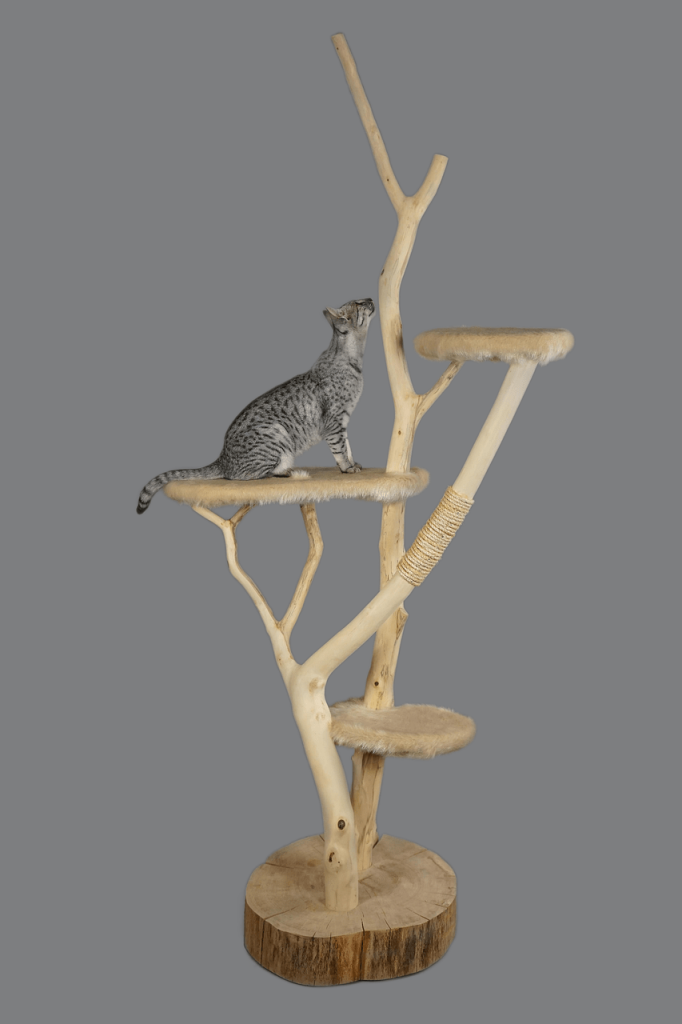
Vertical scratching posts are a popular choice among cat owners due to their space-saving design and versatility. These posts are typically tall and offer cats the opportunity to stretch their bodies while scratching. They often come in various materials, such as carpet, sisal, or cardboard. Some vertical scratching posts may also incorporate additional features like perches or shelves, providing cats with an elevated resting area.
Horizontal scratching posts
Horizontal scratching posts are great options for cats that prefer scratching while lying down, as they allow cats to stretch their bodies in a different way. These posts usually come in the form of flat mats or boards, covered in a material like sisal or carpet. Horizontal scratching posts can be placed on the floor or elevated surfaces, such as shelves or tables.
Combo scratching posts
Combo scratching posts offer the best of both worlds, combining vertical and horizontal elements. These posts often feature a vertical structure with a horizontal scratch pad at the base, providing cats with multiple options for scratching. Combo scratching posts are suitable for cats with various preferences and can offer an all-in-one solution for their scratching needs.
Factors to Consider
Material
When choosing a scratching post, consider the material that your cat prefers to scratch. Common options include sisal rope, carpet, corrugated cardboard, and wood. Observation and trial-and-error can help determine your cat’s preference, allowing you to provide them with a post they will be more likely to use.
Stability
Ensure that the scratching post is stable and sturdy, as cats may feel hesitant to use a wobbly or easily toppled post. Stability is especially crucial for larger or more active cats that may put more force into their scratching.
Size and height
The size and height of the scratching post are important considerations to accommodate your cat’s body size and preferences. A post needs to be tall enough for your cat to fully stretch and provide a satisfying scratch. It should also be wide enough for them to comfortably maneuver their body while scratching.
Texture
Different cats have different texture preferences when it comes to scratching posts. Some may prefer the rough texture of sisal rope, while others may favor the softer feel of carpet or cardboard. Experimenting with various textures can help you determine what your cat enjoys most.
Location
Choosing an appropriate location for the scratching post is crucial. Place it in an area where your cat spends a lot of time, such as near their favorite resting spots or in a commonly used room. This increases the chances of them using the post regularly.
Cat Preferences
Texture preference
As mentioned earlier, cats may have preferences when it comes to the texture of their scratching surfaces. Some cats may prefer the coarse texture of sisal rope, while others may favor the softer feel of carpet or the satisfying texture of corrugated cardboard. Pay attention to your cat’s interactions with different textures to determine their preference.
Location preference
Cats often have specific preferences for where they scratch. Some may prefer to scratch vertically on furniture corners, while others may opt for horizontal surfaces like carpets. Observe your cat’s behavior and try to provide scratching options that mimic their preferred locations.
Height preference
Certain cats may prefer to scratch at specific heights. Some may enjoy vertical stretching on tall posts, while others may prefer scratching closer to the ground. Offering scratching posts at different heights allows cats to engage in their preferred scratching behavior.
Training Cats to Use Scratching Posts
Introducing the scratching post
To introduce a new scratching post to your cat, place it in a visible and easily accessible location. Encourage your cat to investigate the post by using toys, treats, or catnip near and on the post. Allow your cat to explore and become familiar with the post at their own pace.
Placing and encouraging use
Once your cat has shown interest in the scratching post, gently guide them to the post by placing their paws on it and mimicking a scratching motion. Reward your cat with praise, treats, or playtime when they use the scratching post correctly. Consistency and positive reinforcement are key to encouraging regular use.
Positive reinforcement
Positive reinforcement is a powerful training tool. Whenever your cat uses the scratching post, provide verbal praise, petting, or treats to reinforce the behavior. This positive association will encourage your cat to continue using the scratching post over other surfaces.
Deterrents for unwanted scratching
If your cat persists in scratching furniture or other undesirable surfaces, consider using deterrents to discourage this behavior. Sprays specifically designed to deter cats from scratching certain areas can be applied to the surfaces you want to protect. Alternatively, covering the furniture with double-sided tape or aluminum foil can make it less appealing for scratching.
Common Challenges and Solutions
Not using the scratching post
If your cat is not using the scratching post, it may be due to various reasons. Ensure that the post is in a desirable location and offers your cat the texture and height preferences they prefer. Experiment with different scratching posts until you find one that your cat is more inclined to use. Also, make sure that the post is sturdy, as cats may avoid using wobbly or unstable posts.
Using furniture instead
If your cat continues to scratch furniture despite having a scratching post, it may be necessary to redirect their behavior. Place the scratching post near the furniture they prefer to scratch and gradually move it closer to the desired location. Encourage your cat to use the post through positive reinforcement and ensure that the furniture is made less appealing for scratching through the use of deterrents.
Overuse or excessive scratching
While scratching is a natural behavior, excessive or overzealous scratching can be problematic. If your cat is excessively scratching, it may be a sign of stress, boredom, or health issues. Providing environmental enrichment, such as interactive toys and regular play sessions, can help alleviate boredom. If the problem persists, consult with your veterinarian to rule out any underlying health issues.
Declawed cats
Declawed cats may still display scratching behavior, even without their claws. It is important to provide them with appropriate alternatives to scratching posts, such as scratching pads or toys. These options can still allow them to engage in their natural behavior without causing harm to themselves or your furniture.
Alternatives to Scratching Posts
Scratching pads
Scratching pads are flat, portable surfaces that provide cats with an alternative to furniture for scratching. They are often made from materials like sisal or corrugated cardboard and can be placed on the floor or mounted on a wall. Scratching pads are great options for cats that prefer horizontal scratching surfaces.
Cardboard boxes
Cardboard boxes can serve as makeshift scratching surfaces for cats. They offer a rough texture that many cats find satisfying for scratching. Simply place the boxes on the floor or arrange them in a stack to provide various scratching surfaces and hiding spots for your cat.
Scratching toys
There are various scratching toys available on the market that are designed to cater to a cat’s natural scratching instincts. These toys often incorporate scratching surfaces and interactive elements, such as hanging toys or hidden treats, to engage and entertain your cat while satisfying their need to scratch.
Creating a Cat-friendly Environment
Multiple scratching options
To ensure that your cat has ample opportunity for scratching, provide multiple scratching options throughout your home. This can include different types of scratching posts, pads, or toys that cater to various preferences. By offering multiple options, you increase the likelihood that your cat will use appropriate scratching surfaces.
Vertical and horizontal surfaces
Cats may have different preferences for scratching surfaces, so it’s important to provide both vertical and horizontal options. Combining different types of scratching posts or mats gives your cat a range of choices and allows them to engage in their preferred scratching behaviors.
Proximity to other resources
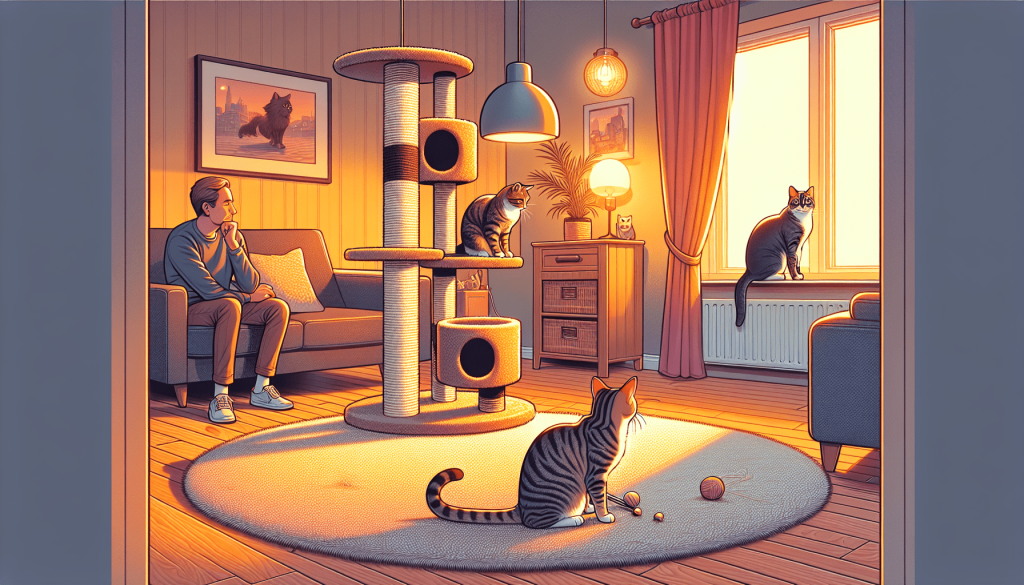
Place scratching posts near other resources that your cat utilizes, such as resting areas, litter boxes, or food and water bowls. This creates a cat-friendly environment where they can easily transition between activities and reinforces positive associations with the scratching post being a part of their territory.
Environmental enrichment
In addition to scratching posts, provide other forms of environmental enrichment to keep your cat mentally stimulated and engaged. This can include interactive toys, puzzle feeders, or vertical spaces like cat trees or shelves. A cat with ample mental and physical stimulation is less likely to engage in destructive or excessive scratching behaviors.
Frequently Asked Questions
Do all cats use scratching posts?
While the majority of cats have a natural instinct to scratch, individual preferences may vary. Some cats may prefer alternative scratching surfaces such as furniture, carpets, or walls. However, providing appropriate scratching posts and offering a variety of textures and options increases the chances that your cat will use them.
What if my cat doesn’t like the scratching post?
If your cat doesn’t immediately take to the scratching post, don’t be discouraged. Experiment with different textures, heights, and locations until you find one that your cat enjoys. Remember to use positive reinforcement and encourage your cat to explore and interact with the post. Over time, they may come to prefer the scratching post over other surfaces.
Why is my cat scratching furniture even if it has a scratching post?
There can be several reasons why a cat may still scratch furniture despite having a scratching post. It could be due to preference for a different texture or location, habit, or marking behavior. Adjusting the placement of the scratching post, using deterrents, and providing alternatives can help redirect your cat’s scratching behavior and protect your furniture.
Conclusion
Scratching posts are essential for cats, as they fulfill their natural instincts and provide numerous benefits. By understanding your individual cat’s preferences and providing them with appropriate scratching options, you can encourage proper use and discourage unwanted scratching behavior. Remember to be patient and use positive reinforcement to create a cat-friendly environment where your furry friend can thrive.