So you’ve just acquired a brand new scratching post for your feline friend, but it seems like they’re more interested in your furniture than this designated spot. You’re left wondering, “How do you attract cats to scratching posts?”. Well, fret not! In this article, we’ll explore some simple and effective techniques to entice your furry companion towards their scratching post, saving your beloved couch from their sharp claws. With a little patience and the right approach, you’ll have your cat happily using their scratching post in no time.
Understanding Cats’ Natural Behavior
Cats have a natural instinct to scratch, and it serves several purposes. Scratching helps them shed the outer layer of their claws, marking their territory, stretching their muscles, and relieving stress. Understanding this behavior can help us provide appropriate scratching options for our feline friends.
Cats’ Instinct to Scratch
Scratching is an innate behavior in cats. It is not something they do to deliberately destroy our belongings; rather, it is a primal instinct deeply ingrained in their DNA. By scratching, cats strengthen their muscles and keep their claws in top condition. It is important to remember that scratching is a normal and necessary part of a cat’s life.
Preference for Different Materials
Not all cats have the same preference when it comes to scratching surfaces. Some may prefer a rough, textured material like sisal rope, while others may gravitate towards carpeted surfaces. Experimenting with different materials can help you determine what your cat likes best. Providing a variety of scratching options can ensure that your cat has the perfect outlet for their scratching needs.
Importance of Vertical Scratching Surfaces
Vertical scratching surfaces are essential for cats. In the wild, they would use tree trunks to scratch and mark their territory. Vertical scratching posts mimic this natural behavior and provide cats with an opportunity to stretch their bodies fully. These posts also allow cats to get a good stretch, promoting a healthy posture and overall well-being.
Choosing the Right Scratching Post
To meet your cat’s needs, it’s crucial to choose the right scratching post. Taking into account factors like size, stability, material, and texture will help ensure that your cat is drawn to the post and avoids your furniture.
Size and Stability
The scratching post should be tall enough for your cat to stretch fully, allowing them to engage in the natural upward motion of scratching. An ideal height would be at least 28 inches or taller. Stability is also paramount to prevent accidents. A sturdy base and a post that doesn’t wobble will encourage your cat to use it with confidence.
Material and Texture
Choose a scratching post made of materials that your cat finds appealing. Texture matters! Sisal, a natural fiber found in many scratching posts, provides a rough texture that closely resembles tree bark. Carpeted posts are also popular among cats who prefer a softer, plush feel. Observing your cat’s behavior and preferences will help you make the right choice.
Vertical vs. Horizontal Posts
While vertical scratching posts are essential, some cats also enjoy horizontal surfaces for scratching. It’s a good idea to provide both options to cater to your cat’s individual needs and preferences. Horizontal scratching pads or boards can be used in conjunction with vertical posts to offer your cat a more diverse scratching experience.
Placement and Accessibility
Once you’ve chosen the perfect scratching post, it’s important to place it strategically within your home and make it easily accessible to your cat. Proper placement and accessibility increase the chances of your cat using the scratching post instead of your furniture.
Strategic Placement in the Home
Position the scratching post in an area that your cat frequents, such as near their favorite sleeping spot or in a room commonly used by the family. Placing the post in an easily visible area will remind your cat of its presence and encourage them to use it regularly.
Visibility and Accessibility
Make sure the scratching post is easily accessible for your cat. Avoid blocking it with furniture or placing it in a location where your cat may feel isolated or uncomfortable. The post should be visible and within your cat’s reach at all times. Placing it near windows or in common areas will also allow your cat to engage in their scratching behavior while observing the outside world.
Using Multiple Scratching Posts
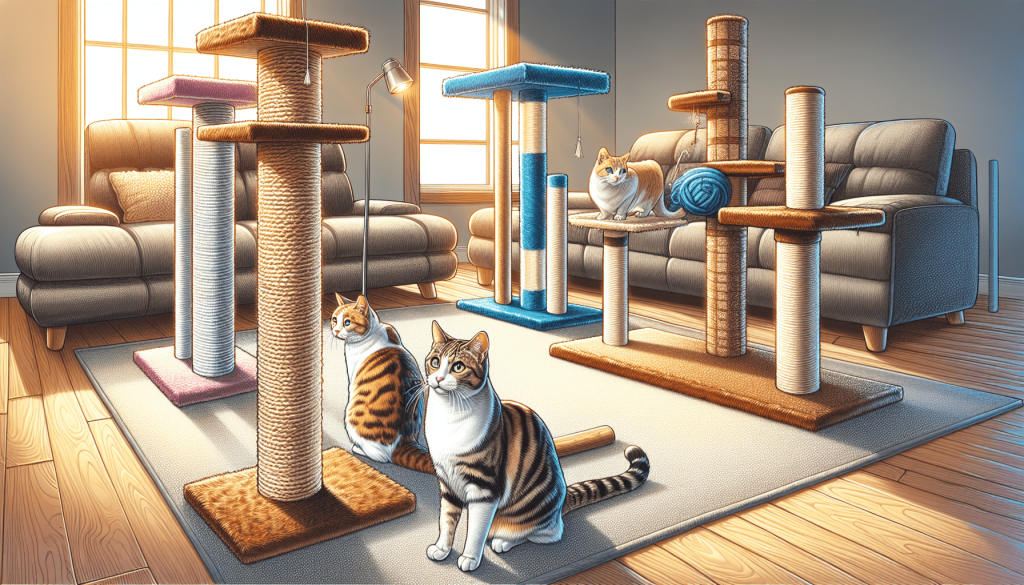
If you have a multi-level home, consider placing scratching posts strategically on each level. This enables your cat to scratch and stretch on different posts, promoting a healthy and fulfilling environment. Multiple scratching posts offer variety and prevent a cat from fixating on one specific spot, reducing the likelihood of unwanted scratching behaviors.
Creating an Attractive Scratching Post
Making the scratching post appealing to your cat can further encourage them to use it. A few simple additions can enhance its attractiveness and entice your cat to engage in positive scratching behavior.
Adding Catnip or Valerian Root
Catnip and valerian root are natural attractants for many cats. Rubbing these herbs on the scratching post can stimulate your cat’s interest and encourage them to investigate and scratch the post. The scent of these plants can create a positive association with the post and reinforce its appeal to your cat.
Using Synthetic Pheromone Spray
Synthetic pheromone sprays, such as Feliway, can also be effective in attracting cats to their scratching post. These sprays mimic the natural facial pheromones that cats use to mark their territory. When applied to the scratching post, they create a familiar scent that can help reassure your cat and encourage them to use it regularly.
Applying Scratching Post Attractants
Various commercial scratching post attractants are available in the market. These products come in sprays, gels, or powders, and they are designed to mimic the scent and texture of a cat’s preferred scratching material. Applying these attractants to the post can make it more enticing and increase the likelihood of your cat using it.
Positive Reinforcement and Encouragement
Once your cat starts using the scratching post, it’s essential to reinforce and encourage this behavior. Positive reinforcement techniques can help solidify the habit and strengthen the bond between you and your cat.
Rewards and Treats
Reward your cat with treats or a small amount of their favorite food whenever they use the scratching post. Positive reinforcement through rewards creates a positive association with the post and encourages your cat to choose it over other objects.
Verbal Praise and Affection
Cats respond well to verbal cues and affectionate praise. Whenever you catch your cat using the scratching post, shower them with verbal praise, gentle strokes, and cuddles. This positive interaction reinforces the behavior and makes your cat feel appreciated and loved.
Training with Toys and Play
Incorporate play and toys into your cat’s scratching routine. Use interactive toys and play with your cat near the scratching post. This playful interaction will help your cat associate the post with enjoyable activities, making it more likely for them to continue using it.
Redirecting Scratching Behavior
Despite your best efforts, your cat may still be drawn to inappropriate scratching surfaces. Redirecting their behavior and offering alternative options can help protect your furniture and maintain a harmonious living environment.
Using Deterrents on Undesired Surfaces
To discourage your cat from scratching furniture or other undesirable surfaces, use deterrents. Double-sided sticky tape, aluminum foil, or plastic wrap can be applied to these surfaces. Cats dislike the texture and stickiness, and they will be less inclined to scratch where these deterrents are present.
Covering Furniture with Cat-Friendly Materials
Covering furniture with fabrics that resemble the preferred texture of your cat’s chosen scratching surface can be helpful. Blankets, throws, or specially designed furniture covers with similar textures can make the furniture less appealing while still maintaining a comfortable and cozy environment for your cat.
Regular Maintenance of Scratching Posts
Inspect and maintain your cat’s scratching posts regularly. If the post becomes worn or frayed, your cat may be less inclined to use it. Replace sisal rope or carpeting as needed to keep the post in optimal condition and ensure its attractiveness to your cat.
Socializing Cats with Scratching Posts
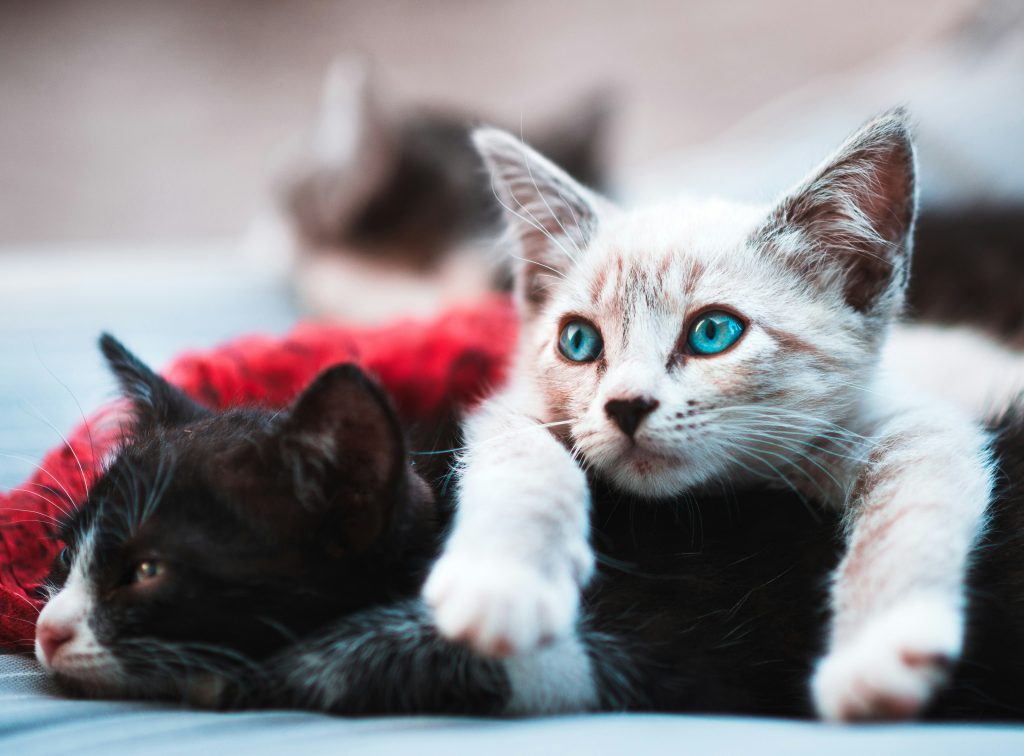
If you have multiple cats, socializing them with scratching posts can be beneficial. It allows them to share resources, bond, and engage in natural behaviors together.
Encouraging Other Cats’ Presence
Place the scratching posts in communal areas where multiple cats spend time. Cats are social animals, and they often mimic behavior they observe in others. When one cat uses the scratching post, it can inspire other cats to do the same, creating a positive and reinforcing environment.
Creating a Multi-Level Scratching Environment
Cats enjoy having different levels to explore and stretch their muscles. Provide scratching posts at various heights and angles, allowing cats to indulge in both horizontal and vertical scratching. A multi-level scratching environment mimics the complexity of their natural surroundings and promotes a healthy and engaging space for your feline companions.
Introducing Scratching Posts to Kittens
Early exposure to scratching posts is essential for kittens to develop healthy scratching habits. Start by placing a small scratching post near their play area or sleeping spot. Encourage them to interact with it by incorporating toys and treats. Gradually introduce larger and more diverse scratching options as they grow. By acclimating kittens to scratching posts early on, you can help set them up for a well-mannered and happy future.
Alternative Scratching Options
While scratching posts are the go-to option for many cat owners, there are alternative options to consider. These can provide additional variety and cater to different preferences.
Scratching Pads and Mats
Scratching pads or mats are flat surfaces covered in textured materials like sisal or carpet. These can be placed on the floor or attached to walls, offering multiple scratching angles and allowing cats to engage in robust stretching movements. Scratching pads and mats are especially useful for cats who prefer horizontal scratching.
Cardboard Scratching Boxes
Cardboard scratching boxes are inexpensive and readily available. Cats enjoy the texture and the satisfying feeling of shredding the cardboard. These boxes can be placed on the floor or even mounted on walls. They provide a temporary and disposable scratching option that can be easily replaced when worn or damaged.
DIY and Homemade Scratching Posts
If you are feeling creative, you can make your own scratching post using materials like sturdy cardboard tubes, sisal rope, or even tree branches. DIY scratching posts allow for customization and can be tailored to your cat’s preferences. Online tutorials and resources can provide inspiration and guidance for constructing your unique scratching post.
Dealing with Scratching Issues
If your cat’s scratching behavior becomes excessive or destructive, it may be time to seek professional advice. Veterinarians and animal behaviorists can help address underlying causes and develop a tailored plan to ensure your cat’s well-being.
Consulting a Veterinarian or Animal Behaviorist
A veterinarian or animal behaviorist can help identify any medical or behavioral issues contributing to excessive scratching. They will conduct a thorough examination and provide recommendations based on your cat’s individual needs. Professional guidance is crucial in addressing underlying causes and developing a comprehensive plan to redirect and manage your cat’s scratching behavior.
Addressing Stress or Anxiety Triggers
Stress and anxiety can trigger excessive scratching in cats. Identifying and addressing these triggers is essential for resolving the issue. Environmental enrichment, such as providing hiding places, interactive toys, and vertical spaces, can help alleviate stress. Additionally, behavior modification techniques and, in some cases, medication prescribed by a professional may be necessary to manage anxiety-related scratching issues.
Understanding Cat’s Individual Preferences
Every cat is unique, and understanding your cat’s individual preferences is key to managing their scratching behavior effectively. Observe and learn what surfaces and materials your cat naturally gravitates towards. By accommodating their preferences, providing appropriate alternatives, and enriching their environment, you can create a harmonious living space where your cat can engage in their natural behaviors without causing destruction.
Conclusion
Understanding and addressing a cat’s natural behavior is crucial when it comes to managing their scratching instincts. By choosing the right scratching post, placing it strategically, making it attractive, and positively reinforcing desired behavior, we can redirect our cats to appropriate scratching options. Providing alternative scratching options, socializing cats with scratching posts, and seeking professional help when needed are all important aspects of creating a scratch-friendly environment. With patience, understanding, and the right tools, you can maintain a happy and scratch-free home for both you and your feline friend.