Cats are known for their strong desire to scratch on various surfaces, but is a scratching post enough to satisfy their instinctual needs? While many cat owners believe that providing a scratching post is sufficient, there are important factors to consider. In this article, we will explore the reasons why a scratching post may not be enough for cats and discover alternative solutions to keep our feline friends happy and content. So, if you own a cat or are considering getting one, it’s essential to understand their scratching behavior and how to provide them with the appropriate outlets for their natural urges.
Importance of Scratching for Cats
Natural behavior
Scratching is a natural behavior for cats, and it serves several important purposes. It allows them to stretch their muscles, mark their territory through scent glands in their paws, and remove the dead outer layer of their claws. By scratching, cats also exercise their bodies and keep their claws healthy. It is not just a bad habit or an attempt to destroy furniture; scratching is instinctual for our feline friends.
Nail maintenance
One of the key benefits of scratching for cats is nail maintenance. When a cat scratches, they are not only sharpening their claws, but they are also removing the outer layer, which can become dull or frayed over time. By regularly scratching, cats help to keep their claws in top condition, allowing them to hunt effectively and defend themselves if necessary.
Muscle stretching and exercise
In addition to nail maintenance, scratching acts as a form of exercise for cats. When they scratch, cats engage and stretch various muscles in their bodies, including their legs, shoulders, and back. This physical activity helps to keep their muscles toned, joints flexible, and their entire body in good shape. Regular exercise is essential for maintaining a cat’s overall health and wellbeing, and scratching provides a natural and enjoyable way to achieve this.
Limitations of Scratching Posts
Not suitable for all cats
While scratching posts are highly beneficial for many cats, they may not be suitable for all felines. Some cats simply do not take to scratching posts and may prefer other surfaces or methods to fulfill their scratching needs. It is important for cat owners to understand that individual cats may have different preferences and may require alternative solutions to satisfy their scratching behaviors.
Limited variety of surfaces
Scratching posts typically offer limited variety in terms of scratching surfaces. Most commonly, these posts are covered in sisal rope or carpet, which may not be appealing or satisfying to every cat. Some cats may prefer softer materials like cardboard, while others may prefer rougher textures like wood or tree bark. Providing a variety of scratching surfaces can help cater to different preferences and ensure that your cat has options that they find enjoyable and engaging.
Location preference
Another limitation of scratching posts is that they may not always be in the ideal location for a cat. Cats often scratch to mark their territory, and they may have specific areas in the house where they prefer to do so. Placing a scratching post in an inconvenient or less frequented area may discourage a cat from using it. Understanding your cat’s location preferences and strategically placing scratching posts in those areas can help encourage regular and appropriate scratching behavior.
Additional Enrichment for Cats
Interactive toys
In addition to scratching posts, providing interactive toys can greatly enrich a cat’s environment. Toys that stimulate hunting instincts, such as wand toys or puzzle toys, can keep cats mentally and physically engaged. Interactive toys not only provide entertainment but also encourage cats to explore, chase, and pounce, which helps to keep them active and prevent boredom.
Cat trees or condos
Cat trees or condos are excellent additions to any cat-friendly home. These structures offer various levels for climbing, perches for observing their surroundings, and scratching surfaces integrated into the design. By providing vertical space, cat trees and condos allow cats to engage in natural behaviors, such as climbing and perching, while also providing ample opportunities for scratching.
Hiding spots
Creating hiding spots around the house is another way to enhance a cat’s environment. Cats are natural-born hunters and may feel more secure and content when they have access to enclosed spaces. These hiding spots can be as simple as cardboard boxes with holes cut out for entry and exit, or they can be specially designed cat caves or tunnels. Hiding spots not only provide a safe retreat but also offer an additional scratching surface when appropriate materials are included.
Window perches
Window perches are an excellent way to provide cats with a view of the outside world while also offering a comfortable lounging spot. Cats are often fascinated by wildlife and outdoor activities, and having access to a window perch allows them to observe and mentally stimulate themselves. Window perches, especially those with scratching surfaces incorporated, can serve as an alternative or complement to scratching posts.
Climbing shelves
Installing climbing shelves or creating vertical pathways throughout your home can greatly benefit your cat’s overall wellbeing. These shelves allow cats to explore their environment from a higher vantage point and engage in the natural behavior of climbing. By incorporating scratching surfaces into these structures, you provide opportunities for cats to fulfill their scratching needs while also expanding their territory and providing mental stimulation.
Mental Stimulation for Cats
Puzzle feeders
Puzzle feeders are a wonderful way to provide mental stimulation for cats during mealtime. These interactive feeding devices require cats to solve puzzles or manipulate certain mechanisms to access their food. The mental effort and physical engagement required to retrieve their meals not only satisfy their natural instincts but also help to prevent boredom and encourage problem-solving skills.
Treat-dispensing toys
Treat-dispensing toys are similar to puzzle feeders but are specifically designed to dispense treats or kibble. These toys require cats to bat, roll, or manipulate the toy in order to reward themselves with a tasty treat. Using treat-dispensing toys not only provides a mental challenge but also encourages cats to engage in play and exercise in order to receive their rewards.
Catnip or silvervine
Catnip and silvervine are natural plants that cats are highly responsive to. The aroma of these plants can induce a euphoric response in cats, often resulting in playful or calm behavior. Offering catnip or silvervine-infused toys, scratchers, or sprays can provide mental stimulation and relaxation for cats. It is important to note that not all cats are affected by catnip or silvervine, so it may not be effective for every cat.
Alternatives to Scratching Posts
Cardboard scratchers
Cardboard scratchers are a popular alternative to traditional scratching posts. They are often inexpensive and come in various shapes and sizes, allowing cats to scratch horizontally or vertically. Cardboard scratchers offer a different texture and sensation for cats and can be easily replaced when worn out. Many cats enjoy the satisfying feeling of digging their claws into cardboard, making these scratchers a great addition to their scratching routine.
Sisal mats
Sisal mats provide cats with another alternative surface for scratching. These mats are typically made from natural fibers, which provide a rough texture that cats find appealing. Sisal mats can be placed in various locations throughout the house, allowing cats to scratch on a horizontal surface. They are durable and can withstand frequent scratching, making them a long-lasting option for cats that prefer this type of texture.
Hanging scratchers
Hanging scratchers offer a vertical scratching surface that can be mounted on a wall or door. These scratchers often have a fabric or sisal material that cats can dig their claws into. Hanging scratchers are a space-saving option, as they can be placed in areas where floor space may be limited. Cats can fully extend their bodies and engage their muscles while scratching on these vertical surfaces.
Training and Behavior Modification
Positive reinforcement
Training and behavior modification techniques using positive reinforcement can help redirect a cat’s scratching behavior onto appropriate surfaces. When a cat uses a scratching post or alternative surface, it is important to provide praise, treats, or playtime rewards to associate positive experiences with using those surfaces. Gently redirecting a cat’s scratching behaviors and consistently rewarding them for using appropriate surfaces can effectively train them to minimize or eliminate furniture scratching.
Redirecting scratching behavior
If a cat is regularly scratching furniture or other inappropriate surfaces, it is essential to redirect their behavior onto acceptable alternatives. Placing scratching posts or alternative surfaces near the furniture they are targeting can help redirect their attention and encourage them to scratch in appropriate areas. Sprinkling catnip or using attractant sprays on these surfaces may also help attract their interest and entice them to scratch appropriately.
Discouraging furniture scratching
While positive reinforcement and redirection are effective strategies, it is also important to discourage cats from scratching furniture or other undesirable surfaces. Techniques such as covering furniture with double-sided tape or aluminum foil can create an unpleasant texture that cats dislike. Placing citronella-scented sprays or using synthetic pheromone sprays on furniture can also deter cats from scratching those surfaces. It is crucial to provide appropriate scratching options and discourage unwanted behavior simultaneously.
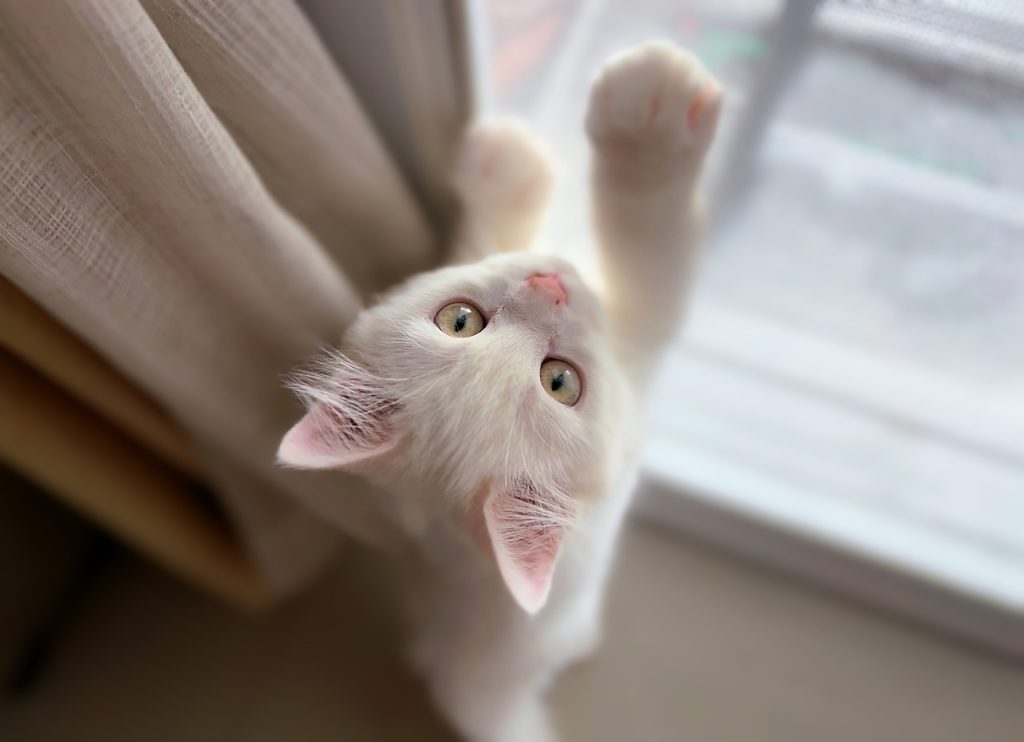
Catnip and Scratch Attractants
Catnip spray
Catnip spray is a concentrated form of catnip oil that can be used to attract cats to specific areas or objects. By spraying catnip on scratching posts or alternative surfaces, you can increase their appeal and promote scratching behavior in those areas. It is important to use catnip spray sparingly, as excessive exposure to catnip can lead to overstimulation in some cats.
Attractant-infused toys or surfaces
There are various toys and surfaces on the market that come infused with catnip or other attractants. These products are designed to catch a cat’s attention and encourage scratching behavior. By introducing toys or surfaces with built-in attractants, you can provide additional options for your cat to fulfill their scratching needs. It is important to note that not all cats are receptive to catnip or attractants, so these products may not be effective for every cat.
Multi-cat Households
Multiple scratching posts
In multi-cat households, it is crucial to provide multiple scratching posts to ensure that each cat has sufficient opportunities to scratch and fulfill their needs. Cats may have individual preferences for certain scratching surfaces, heights, or locations. By offering a variety of scratching posts throughout the house, you can accommodate different preferences and prevent conflicts or competition between cats.
Vertical and horizontal options
Cats have different preferences when it comes to scratching surfaces. Some cats prefer vertical scratching, while others prefer horizontal surfaces. Providing both vertical and horizontal options ensures that each cat has a scratching surface that suits their preferences. This variety allows cats to engage in their natural behaviors comfortably and reduces the likelihood of them resorting to furniture scratching.
Personal space for each cat
In multi-cat households, it is important to provide each cat with their own personal space to avoid conflicts or stress. This includes providing individual scratching posts, hiding spots, and resting areas. Cats need to feel secure and have areas that they can call their own. By ensuring that each cat has their own designated space, you can minimize the chances of territorial disputes and promote harmony among your feline friends.
Monitoring Cat’s Behavior
Observing scratching habits
Keeping track of your cat’s scratching habits can help you identify any changes or issues that may arise. It is essential to observe the frequency and locations of their scratching, as well as any signs of discomfort or abnormal behavior. Sudden changes in scratching patterns can indicate stress, health issues, or a need for additional scratching options. By monitoring their behavior, you can address any concerns early and provide necessary interventions.
Identifying stress or health issues
Scratching behavior can sometimes be an indicator of stress or underlying health issues. Excessive scratching, excessive grooming, or obsessive behaviors can be signs of anxiety, allergies, or skin conditions. It is important to monitor your cat’s overall behavior and health to ensure that their scratching habits are within normal limits. If you notice any concerning changes, it is recommended to consult with a veterinarian to rule out any underlying medical conditions.
Consulting a veterinarian or behaviorist
If you are experiencing difficulties or concerns regarding your cat’s scratching behavior, it may be beneficial to seek advice from a veterinarian or a certified animal behaviorist. These professionals can conduct a thorough evaluation of your cat’s behavior, health, and environment to provide guidance and tailored solutions. They can help identify any contributing factors, offer behavior modification techniques, and recommend appropriate enrichment strategies specific to your cat’s needs.
Conclusion
Scratching posts are indeed an essential addition to a cat’s environment, providing a means for them to fulfill their natural scratching behaviors and maintain their claws. However, it is important to remember that scratching posts may not be suitable for all cats, and alternatives or additional enrichment options may be necessary.
By incorporating interactive toys, cat trees or condos, hiding spots, window perches, and climbing shelves, you can offer a wide range of mental and physical stimulation for your cat. Puzzle feeders, treat-dispensing toys, and catnip or silvervine can further enhance their environment and keep them mentally engaged.
Additionally, alternatives to traditional scratching posts, such as cardboard scratchers, sisal mats, and hanging scratchers, provide different textures and options for cats with specific preferences.
Positive reinforcement, redirection, and discouragement techniques can be used to modify a cat’s scratching behavior and protect your furniture. Catnip spray and attractant-infused toys or surfaces can also increase the appeal of appropriate scratching areas.
In multi-cat households, providing multiple scratching posts, a variety of scratching surfaces, and personal space for each cat is crucial to prevent conflicts and ensure their individual needs are met.
Continuous monitoring of your cat’s scratching habits, observing any changes or concerning behavior, and consulting professionals when necessary can help maintain a happy and healthy feline companion.
By understanding the importance of scratching for cats and tailoring their environment to their individual needs, you can create a satisfying, stimulating, and safe space for your furry friend.