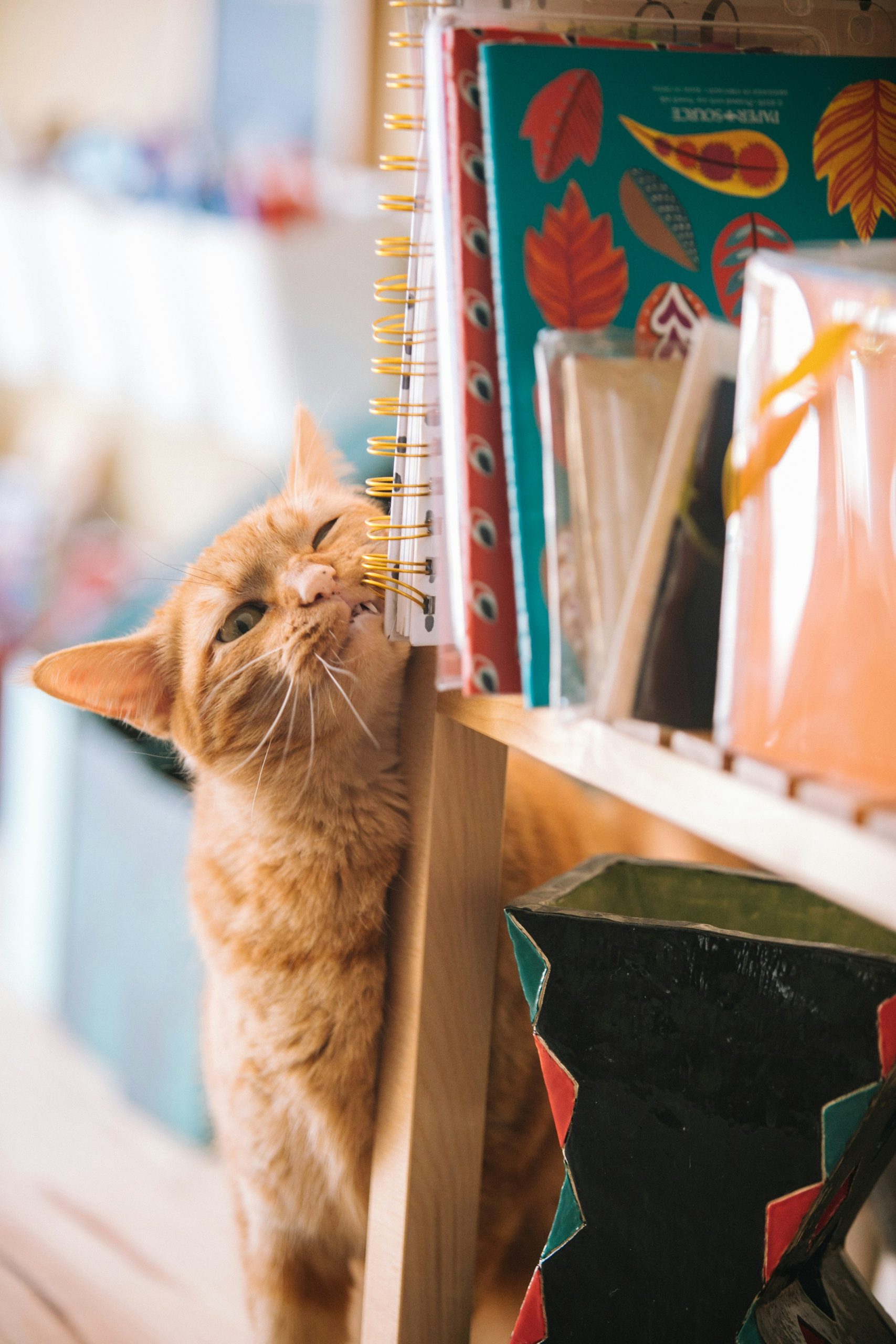
If you’re a cat owner, you may have pondered over the question – do indoor cats really need a scratching post? You’ve probably observed your feline friend’s keen interest in scratching, whether it’s your furniture, curtains, or even your legs. But before you resign yourself to a life of torn upholstery, let’s explore the importance of providing a scratching post for your indoor cat. From saving your belongings to promoting exercise and happiness, this article will guide you through the reasons why a scratching post can be a game-changer for your beloved furry companion.
What is a scratching post?
Definition
A scratching post is a piece of furniture designed specifically for cats to scratch on. It typically consists of a vertical or horizontal surface covered in a material that allows cats to engage in their natural scratching behavior.
Types of scratching posts
There are various types of scratching posts available in the market to cater to different cats’ preferences. Some common types include:
- Vertical scratching posts: These are usually tall and provide cats with the opportunity to stretch their bodies fully while scratching.
- Horizontal scratching posts: These are low to the ground and allow cats to scratch while lying down or stretching their bodies in a different way.
- Sisal rope scratching posts: These posts are covered in sisal rope, a durable and rough material that cats enjoy scratching on.
- Carpeted scratching posts: These posts are covered in carpet, offering a softer texture for cats to scratch on.
- Cardboard scratching posts: These posts are made of corrugated cardboard, providing cats with a satisfying scratching experience.
Why do cats scratch?
Natural behavior
Scratching is a natural behavior for cats, and it serves several purposes. It helps keep their claws in good condition, allows them to stretch and exercise their muscles, and helps them mark their territory. By scratching, cats also relieve stress and frustration.
Benefits of scratching
In addition to the natural behavior aspect, scratching provides various benefits for cats. It helps them shed the outer layers of their claws, keeping them sharp and healthy. Scratching also helps cats stretch their muscles, promoting good mobility and overall well-being. Moreover, scratching allows cats to leave visual and olfactory markers through the scent glands in their paws, which helps them establish territory and communicate with other cats.
Importance of scratching for indoor cats
Exercise and stretching
For indoor cats, having access to a scratching post is crucial as it helps them fulfill their natural need for exercise and stretching. Without an outlet for these activities, cats may become sedentary, which can lead to weight gain, muscle loss, and overall poor physical health.
Marking territory
Indoor cats rely on scratching to mark their territory, even if they don’t have to defend it from other cats. By scratching, cats leave visible marks and their scent, which provides them a sense of security and familiarity in their living space.
Maintaining healthy claws
Scratching allows cats to shed the outer layers of their claws, preventing them from becoming overgrown or getting stuck. It helps cats maintain their claws’ sharpness, which is essential for various activities like climbing, hunting, and self-defense.
The dangers of inadequate scratching options
Damage to furniture
Without a suitable scratching post, indoor cats may resort to scratching furniture, walls, or other household items. This behavior can result in significant damage to your belongings and potentially strain your relationship with your furry friend.
Health issues
Inadequate scratching options can lead to health issues for cats. If their claws become overgrown or are not worn down properly, they may experience discomfort or pain. Additionally, without regular exercise and stretching through scratching, cats may develop muscle stiffness and joint problems.
Unwanted behavior
The absence of a scratching post can also lead to other unwanted behaviors in cats. They may become irritable, anxious, or aggressive due to the frustration of not being able to fulfill their instinctual scratching needs. Some cats may even start urine spraying as a way to mark their territory when scratching is not adequately available.
Choosing the right scratching post
Material
When choosing a scratching post, consider the material it is covered with. Opt for materials that mimic the texture and resistance of trees, such as sisal rope or sisal fabric. Cats generally prefer these materials over alternatives like carpet or fabric upholstery.
Size and stability
Ensure that the scratching post is tall or long enough for your cat to fully stretch its body while scratching. The post should also be stable to prevent tipping or wobbling during vigorous scratching sessions, providing a secure surface for your cat to use.
Vertical vs. horizontal
Consider your cat’s preferences when deciding between a vertical or horizontal scratching post. Some cats prefer scratching vertically, while others may prefer horizontal surfaces. Having both options available can cater to your cat’s individual scratching preferences.
Location
Place the scratching post in a prominent and accessible area of your home. Cats often prefer scratching near entryways or areas where they spend a significant amount of time. Additionally, avoid placing the scratching post near furniture that your cat has a habit of scratching, as this can help redirect their behavior.
Training your cat to use a scratching post
Introduce early
Ideally, introduce a scratching post to your cat when they are young, as early as possible. This will help them develop a positive association with the post and learn to use it as their primary scratching outlet.
Positive reinforcement
When your cat uses the scratching post, provide positive reinforcement such as treats, praise, or playtime. This positive feedback will strengthen the association between the scratching post and a rewarding experience for your cat.
Redirecting behavior
If your cat starts scratching furniture or other undesirable surfaces, gently redirect their attention to the scratching post. Use toys, catnip, or treats to entice them to approach and engage with the post instead. Consistency and patience are key when redirecting your cat’s behavior.
Alternatives to scratching posts
Scratching boards
Scratching boards are flat, wall-mounted surfaces covered in scratching material. They provide an alternative to traditional scratching posts and can be a good option for cats who prefer horizontal scratching. Scratching boards can be mounted at different heights to accommodate your cat’s preferences.
Cardboard scratchers
Cardboard scratchers are an affordable and versatile alternative to scratching posts. They come in various shapes and sizes, and many cats enjoy the texture of corrugated cardboard for scratching. Cardboard scratchers are usually disposable and can be replaced as needed.
Cat trees and furniture
Cat trees and furniture often incorporate scratching posts into their design. These larger structures can provide cats with not only a scratching surface but also opportunities for climbing, perching, and playing. Cat trees and furniture are particularly beneficial for indoor cats with limited vertical space.
Frequently asked questions
Can’t I just trim my cat’s claws?
While trimming your cat’s claws can help maintain their length, it does not fulfill their natural scratching needs. Cats derive various physical and psychological benefits from scratching, and it is important to provide them with an appropriate outlet for this behavior.
What if my cat doesn’t use the scratching post?
If your cat is not initially using the scratching post, try different materials or textures to find what your cat prefers. You can also try using catnip or other attractants to entice them. If the issue persists, consult with a veterinarian or a professional cat behaviorist for further guidance.
Should I have multiple scratching posts?
Having multiple scratching posts can be beneficial, especially if you have multiple cats or a large living space. It allows cats to have more than one option for scratching and reduces the likelihood of conflicts over resources. Additionally, strategically placing scratching posts throughout your home ensures easy access for your cats wherever they may be.
Conclusion
Scratching posts are essential for indoor cats’ well-being and your furniture’s safety. Understanding why cats scratch and providing them with appropriate and enticing scratching options greatly enhances their physical and mental health. By choosing the right scratching post, training your cat, and offering alternative options when necessary, you can ensure a harmonious and scratch-friendly environment for both you and your feline companion.