
If you’re a proud cat owner, you know that a good scratching post is a must-have for your feline friend. Not only does it provide an outlet for their natural scratching instincts, but it also helps keep their claws healthy and in check. But have you ever wondered how often you should change your cat’s scratching post? In this article, we will explore the importance of regularly replacing these essential cat accessories and provide some helpful tips on when and how to do it. So, grab a cup of tea, get cozy, and let’s talk about the lifespan of your cat’s scratching post.
Importance of a Cat Scratching Post
Provides a designated place for scratching
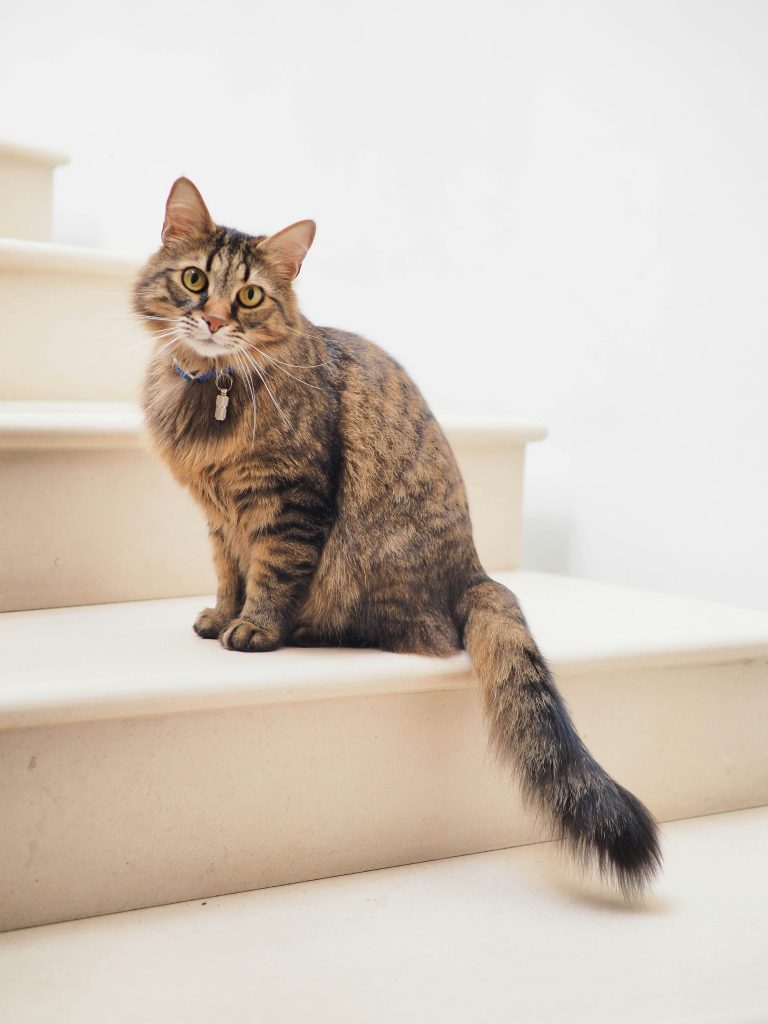
A cat scratching post serves as a designated area for your feline friend to fulfill their natural instinct to scratch. By providing them with a scratching post, you are offering them an outlet to engage in this behavior, which is essential for their physical and mental well-being. Instead of scratching your furniture or carpet, they can direct their energy towards the scratching post, saving your belongings from potential damage.
Helps maintain healthy claw condition
Scratching is not just a behavior that helps cats mark their territory; it also plays a vital role in maintaining their claw health. Regular scratching helps remove the loose outer sheath of their claws, keeping them in optimal condition. Furthermore, scratching also allows cats to exercise their muscles, promoting overall paw health and mobility.
Reduces the need for destructive scratching on furniture
By providing a cat scratching post, you significantly reduce the likelihood of your furry friend resorting to destructive scratching on your furniture, curtains, or other household items. Scratching is an instinctual behavior that cats will engage in regardless, so having a designated scratching post helps redirect their focus to an appropriate surface.
Factors that Affect the Lifespan of a Cat Scratching Post
Quality of materials used
The quality of materials used in a cat scratching post plays a crucial role in determining its durability and lifespan. Investing in a high-quality scratching post made from sturdy materials such as solid wood or sturdy cardboard ensures that it can withstand the rigors of daily scratching. By opting for a well-constructed post, you are not only providing your cat with a long-lasting scratching surface but also saving yourself from the hassle of frequent replacements.
Frequency and intensity of use
How often and how vigorously your cat uses the scratching post can greatly impact its lifespan. Cats that use the post multiple times daily or engage in intense scratching sessions may cause quicker wear and tear. On the other hand, cats with more casual scratching habits may not wear out the post as quickly. Understanding your cat’s scratching behavior and providing appropriate outlets for their energy can help prolong the lifespan of the scratching post.
Number of cats using the post
If you have multiple cats in your household, the scratching post may endure more wear and tear due to increased usage. Cats sharing the same scratching post may have to compete for access, leading to more intense scratching, potential stretching of the materials, and quicker deterioration. Considering the number of cats in your home and providing a sufficient number of scratching posts can help distribute the scratching behavior and extend the lifespan of each post.
Placement and environmental factors
The placement of the scratching post and the surrounding environment can also impact its longevity. Direct sunlight exposure can cause materials to fade or weaken over time, while moisture can lead to mold or rot. Placing the scratching post in a well-ventilated area away from direct sunlight and moisture can help prolong its lifespan. Additionally, factors such as temperature, humidity, and the overall activity level of the area can also influence the wear and tear on the scratching post.
Signs that Indicate the Need for a New Scratching Post
Visible wear and tear on the post
Regularly inspecting your cat’s scratching post can help you identify signs of wear and tear. If you notice visible damage, such as frayed edges, unraveling sisal rope, or significant scratches and marks, it may be time to consider replacing the scratching post. Continued usage of a worn-out post may not provide the necessary benefits for your cat and may even pose safety hazards.
Loose or frayed sisal rope
Sisal rope is a popular material used in many scratching posts due to its durability and texture. However, over time, sisal rope can become loose, frayed, or unravel at the edges. If you notice any significant damage or weakened areas on the sisal rope, it is a clear indication that the scratching post is reaching the end of its lifespan. Cats may not find a post with compromised sisal rope as appealing, leading to decreased usage and the need for a replacement.
Unstable or wobbly structure
A stable and sturdy structure is essential for a cat scratching post to serve its purpose effectively. If you notice that the post has become unstable or wobbly, it is a clear sign that it has endured significant wear and tear. An unstable scratching post not only fails to provide a secure surface for scratching but also poses a safety risk for your cat. It is crucial to replace a post with structural issues to prevent accidents or injuries.
Lack of interest or avoidance by the cat
If your cat is showing less interest in the scratching post or actively avoiding it, it could indicate that the post is no longer appealing or satisfying their scratching needs. Cats have individual preferences, and their scratching preferences may change over time. If you have ruled out any potential medical issues that may be affecting their behavior, it may be time to consider replacing the scratching post with a new one that better fits your cat’s preferences.
Average Lifespan of a Cat Scratching Post
Short-term options (3-6 months)
Short-term cat scratching posts typically have a lifespan ranging from 3 to 6 months. These posts are often made from less durable materials such as cardboard or lower-quality sisal rope. While they provide a temporary scratching solution, they may need to be replaced more frequently due to quicker wear and tear. Short-term options can be cost-effective for temporary use or for cats who are still developing their scratching habits.
Mid-range options (6-12 months)
Mid-range cat scratching posts offer a slightly longer lifespan, typically lasting between 6 to 12 months. These posts are often made from sturdier materials such as solid wood or higher-quality sisal rope. They provide a more durable scratching surface that can withstand regular use. Opting for mid-range options ensures a balance between longevity and affordability, making them suitable for most cat owners.
High-quality options (1-3 years+)
High-quality cat scratching posts are designed to provide a long-lasting scratching solution for your feline companion. Constructed from top-notch materials such as premium wood and heavy-duty sisal rope, these posts can endure frequent and intense scratching over an extended period. While high-quality options may come with a higher price tag, they offer exceptional durability and value for money by significantly extending the lifespan of the scratching post.
Frequency of Replacement Based on Cat’s Behavior
Frequent or intense scratching warrants more frequent replacements
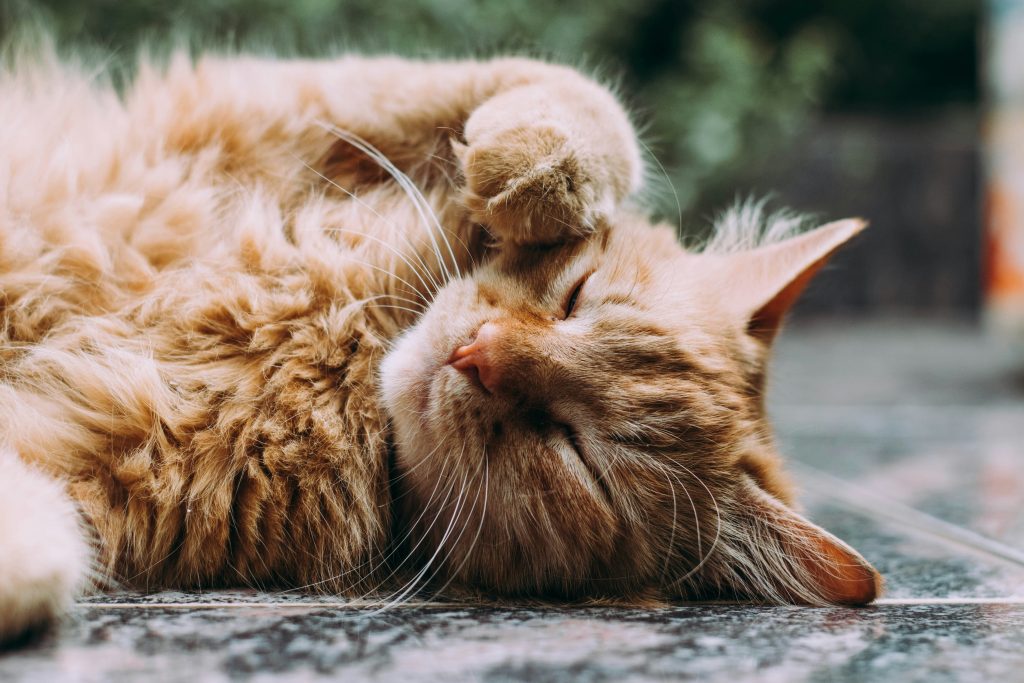
Cats that engage in frequent or intense scratching sessions may require more frequent replacements of the scratching post. Their enthusiasm and energy exerted during scratching can cause faster wear and tear on the materials. Monitoring your cat’s scratching behavior and regularly assessing the condition of the post can help you determine when it is time for a replacement.
Casual or occasional scratching may extend the lifespan
If your cat has more casual or occasional scratching habits, the lifespan of the scratching post may be extended. Cats with less intense scratching needs may not cause as much damage or wear on the post. However, it is still important to monitor the condition of the post and replace it when signs of wear or disinterest arise.
Monitoring the condition and usage of the post is essential
Regardless of your cat’s scratching behavior, it is crucial to monitor the condition and usage of the scratching post regularly. By paying attention to any signs of wear, instability, or lack of interest, you can ensure that your cat always has a safe and satisfying scratching surface. Regularly assessing the post allows you to make timely replacements and provide your cat with a well-maintained scratching area.
Tips to Extend the Lifespan of a Cat Scratching Post
Regularly trim your cat’s nails
Regularly trimming your cat’s nails helps reduce the impact of scratching on the post. Shorter nails are less likely to cause significant wear and tear, prolonging the lifespan of the scratching post. Establishing a regular nail trimming routine and providing scratching alternatives, such as scratching pads or boards, can help minimize damage to the post.
Position the post away from direct sunlight or moisture
Placing the scratching post in an area away from direct sunlight or moisture can help preserve its quality and longevity. Direct sunlight exposure can cause materials to fade or weaken, while moisture can lead to molding or rotting. Choosing an appropriate location for the scratching post ensures that it remains in optimal condition for an extended period.
Rotate the post to distribute wear evenly
Rotating the scratching post periodically can help distribute wear and tear more evenly. By changing the orientation or position of the post, you can ensure that different areas of the post are utilized. This helps prevent excessive wear on specific spots and extends the overall lifespan of the post.
Provide alternative scratching surfaces
Offering your cat alternative scratching surfaces can help alleviate the strain on a single scratching post. Providing additional scratching options, such as horizontal cardboard scratchers or vertical sisal-wrapped poles, diversifies your cat’s scratching experience. By distributing the scratching behavior across multiple surfaces, you can reduce the wear on any one post and increase their overall lifespan.
Reinforce the post with additional sisal rope when needed
If you notice signs of wear or fraying on the sisal rope of your scratching post, you can reinforce it by adding new sisal rope. This DIY solution allows you to extend the lifespan of the post without needing to replace it entirely. Simply remove the old damaged rope, securely attach the new rope, and ensure it is tightly wound and cat-friendly.
Choosing the Right Cat Scratching Post
Consider your cat’s preferences and habits
When selecting a cat scratching post, it is important to take into account your cat’s individual preferences and scratching habits. Some cats prefer vertical posts, while others may enjoy horizontal surfaces. Observe your cat’s natural scratching behavior and choose a post that matches their preferences to encourage regular use.
Select a post with a sturdy and stable base
A scratching post with a sturdy and stable base is essential for ensuring your cat’s safety and comfort. A stable base prevents the post from wobbling or toppling over during intense scratching sessions. Opting for a post with a wide and heavy base provides added stability, allowing your cat to scratch without any worries.
Ensure the post is tall and long enough for stretching
Cats love to stretch their bodies fully when scratching, so it’s crucial to choose a post that is tall and long enough to accommodate their entire length. A post that is too short may limit their stretching, making it less satisfying for them. Providing a post that allows for full extension maximizes their comfort and enjoyment while scratching.
Opt for durable materials and construction
Investing in a scratching post made from durable materials and solid construction ensures its longevity. High-quality wood, sisal rope, or sturdy cardboard can withstand repeated scratching without wearing out quickly. Pay attention to the overall build and craftsmanship of the post to ensure it can withstand the rigors of your cat’s scratching habits.
DIY Options to Save Money
Making a simple scratching post using cardboard
If you are on a budget or enjoy DIY projects, making a simple scratching post using cardboard can be a cost-effective option. Cut a piece of sturdy cardboard into a size suitable for your cat to scratch, and secure it vertically or horizontally to a stable base. While this DIY option may not offer the same longevity as commercial posts, it can be a fun and temporary solution.
Creating a sisal scratching surface for furniture
To protect your furniture from scratching, you can create a sisal scratching surface by attaching sisal rope to a piece of wood or other suitable material. Simply wrap the sisal rope tightly around the surface, secure it with glue or staples, and mount it to your furniture. This DIY project saves your furniture from damage while providing an attractive scratching alternative for your cat.
Repurposing old carpet or sisal rope for a homemade post
If you have old carpet remnants or sisal rope lying around, repurposing them into a homemade scratching post is a great way to save money. Attach the carpet or sisal rope to a post or vertical structure using nails, staples, or heavy-duty glue. This DIY option allows you to recycle materials while still providing your cat with a durable scratching surface.
Alternative Cat Scratchers to Consider
Horizontal cardboard scratchers
Horizontal cardboard scratchers are popular among cats who prefer scratching on flat surfaces. These scratchers typically consist of a flat piece of corrugated cardboard that lies on the ground. Cats can scratch and claw at the cardboard, satisfying their scratching instincts. Horizontal cardboard scratchers are affordable and can be easily replaced when needed.
Vertical sisal-wrapped poles
Vertical sisal-wrapped poles are favored by cats who enjoy stretching and scratching taller surfaces. These scratchers feature a tall pole wrapped in sisal rope, providing an enticing surface for cats to scratch. Sisal offers a satisfying texture for cats and is durable enough to withstand repeated use. Vertical sisal-wrapped poles come in various heights and can be a great addition to your cat’s scratching routine.
Scratching pads or boards
Scratching pads or boards are flat surfaces covered with sisal, carpet, or other materials suitable for scratching. They can be placed on the floor or mounted on walls. Scratching pads offer a versatile and space-saving option for cat owners. They are often more budget-friendly than larger posts or trees and can be easily replaced when worn out.
Cat trees with integrated scratching surfaces
Cat trees are multi-level structures that provide a variety of activities for cats, including scratching. Many cat trees come equipped with integrated scratching surfaces, such as sisal-wrapped posts or pads. These cat trees offer a comprehensive solution for your cat’s scratching needs while providing additional features such as perches, hiding spots, and climbing opportunities.
Conclusion
Regularly assessing the condition of your cat’s scratching post and being attentive to your cat’s scratching behavior are essential in maintaining a happy and healthy feline companion. By providing a designated place for scratching, helping maintain healthy claw condition, and reducing the need for destructive scratching on furniture, a cat scratching post is a valuable addition to any cat-loving household. Understanding the factors that affect the lifespan of a scratching post, recognizing the signs that indicate the need for a replacement, and implementing tips to extend its lifespan can ensure that your cat always has a satisfying and safe scratching experience. By choosing the right scratching post, considering DIY options, and exploring alternative scratchers, you can find the optimal solution that suits your cat’s preferences and your budget. Remember, a well-maintained scratching post and alternative scratching options are key to keeping both you and your feline friend happy.


