You love your furry feline companion, but lately, you’ve noticed your furniture starting to suffer from their enthusiastic scratching sessions. Not wanting to discourage their natural instincts, you’ve decided to invest in a scratching post. But just how many scratching posts does a cat actually need? In this article, we’ll explore the ideal number of scratching posts for your kitty, ensuring they have both the variety and outlets they need to keep their claws happy and your furniture safe.
The Importance of Scratching Posts for Cats
Why do cats need scratching posts?
Scratching is a natural behavior for cats, and providing them with appropriate scratching posts is essential for their well-being. Cats scratch for various reasons, including stretching their muscles, marking their territory, and maintaining their claws. By having a scratching post, your cat can engage in their natural behavior and fulfill their instinctual needs.
Benefits of having scratching posts
Scratching posts offer numerous benefits for both cats and their owners. Firstly, they provide an outlet for your cat’s energy, helping them stay active and physically fit. Regular scratching can also help to strengthen their muscles and promote healthy joint function. Additionally, scratching posts can assist in keeping your cat’s claws in good condition by removing the outer sheath and preventing them from becoming overgrown.
Having scratching posts can also prevent furniture damage. Cats often scratch on furniture, walls, or carpets if they don’t have an appropriate alternative. By providing them with suitable scratching posts, you can redirect their behavior and save your valuable belongings from scratching damage.
Consequences of not providing scratching posts
If you neglect to provide scratching posts for your cat, it can lead to several negative consequences. Firstly, your cat may resort to scratching on furniture, walls, or other unsuitable surfaces in your home. This can cause permanent damage and may result in frustration for both you and your feline companion.
Avoiding scratching posts can also lead to behavioral issues. Cats may become stressed or anxious if they don’t have an outlet to engage in their natural scratching behavior. This can manifest in various ways, such as aggression or destructive behavior. By providing scratching posts, you can help prevent these issues and create a harmonious environment for both you and your cat.
Factors to Consider
When choosing scratching posts for your cat, there are several factors to consider to ensure you meet their needs effectively.
Number of cats
The number of cats in your household plays a significant role in determining the number of scratching posts needed. As a general rule of thumb, it’s recommended to have at least one scratching post per cat. This will help avoid competition and potential territorial issues between your cats.
Size of your living space
The size of your living space is another important consideration. In larger homes, it’s advisable to have multiple scratching posts placed strategically throughout different areas. This provides cats with ample opportunities to engage in scratching behavior and prevents over-crowding at a single post.
Cat’s age and activity level
The age and activity level of your cat should also be taken into account. Kittens and young cats tend to be more active and require additional stimulation, so having multiple scratching posts can keep them entertained and prevent boredom. Older cats, on the other hand, may benefit from having a scratching post in close proximity to their resting areas to encourage regular stretching and movement.
Material and quality
The material and quality of the scratching post are crucial factors to consider. Cats have specific preferences when it comes to scratching surfaces. Sisal, cardboard, and carpet scratching posts are all popular options. It’s essential to choose a material that your cat finds appealing and durable enough to withstand regular use.
Budget
Lastly, your budget will influence the type and number of scratching posts you can provide. While investing in high-quality scratching posts is ideal, there are budget-friendly options available that still provide adequate scratching opportunities for your cat. It’s important to strike a balance between quality and affordability to ensure your cat’s needs are met without breaking the bank.
Minimum Number of Scratching Posts
The rule of thumb
As mentioned earlier, the general rule of thumb is to have at least one scratching post per cat in your household. This ensures each cat has their own designated area for scratching and reduces the likelihood of territorial issues.
One scratching post per cat
Having one scratching post per cat also allows each cat to establish their own scent and territory. Cats have scent glands in their paws, and by scratching a post, they leave behind their unique scent. This scent marking helps create a sense of ownership and security for your cat.
Additional posts for large living spaces
In larger living spaces, it’s recommended to have multiple scratching posts strategically placed in different areas. This ensures that cats can access scratching opportunities, no matter where they are in the house. By providing multiple posts, you create an environment where cats can engage in their natural behavior without feeling the need to compete or crowd around a single post.
Avoiding competition and territorial issues
Failure to provide an adequate number of scratching posts can result in competition and territorial issues among cats. Cats may feel the need to guard a single post or engage in aggressive behavior to claim ownership. By following the minimum number recommendations, you can minimize these issues and create a peaceful environment for your furry friends.
Different Types of Scratching Posts
When it comes to scratching posts, there are several types available, each with its own advantages and appeal to different cats.
Vertical scratching posts
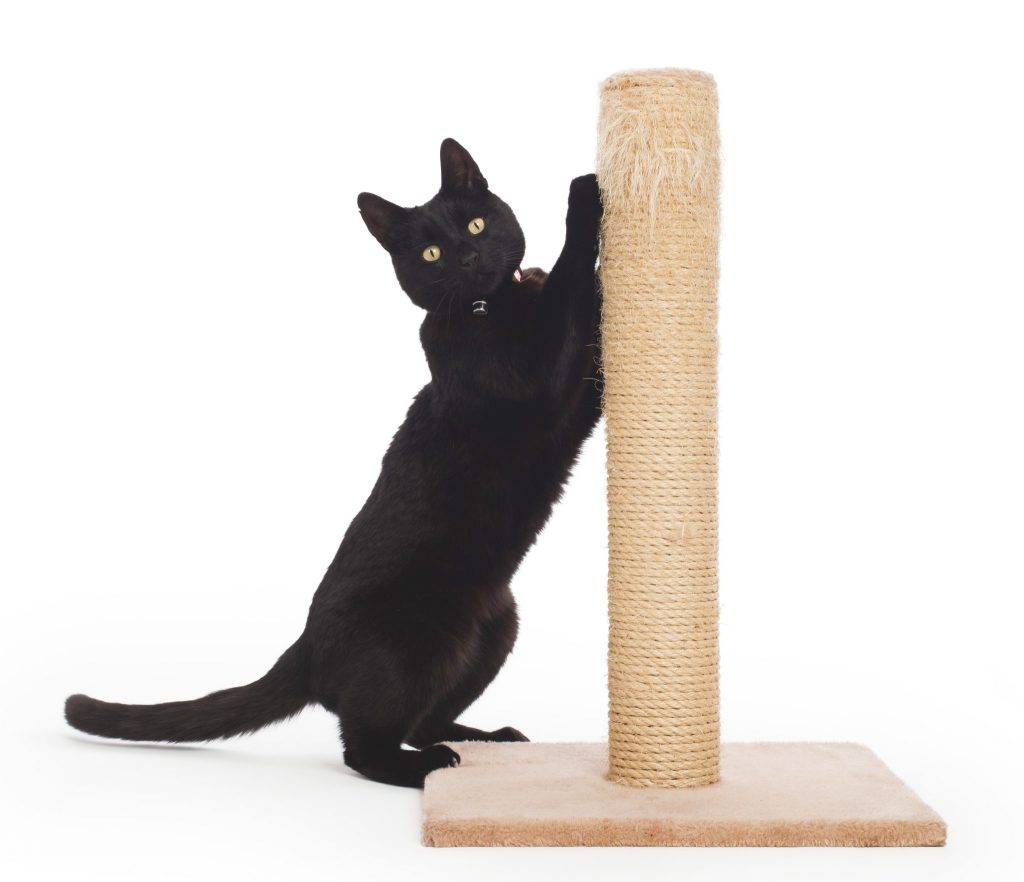
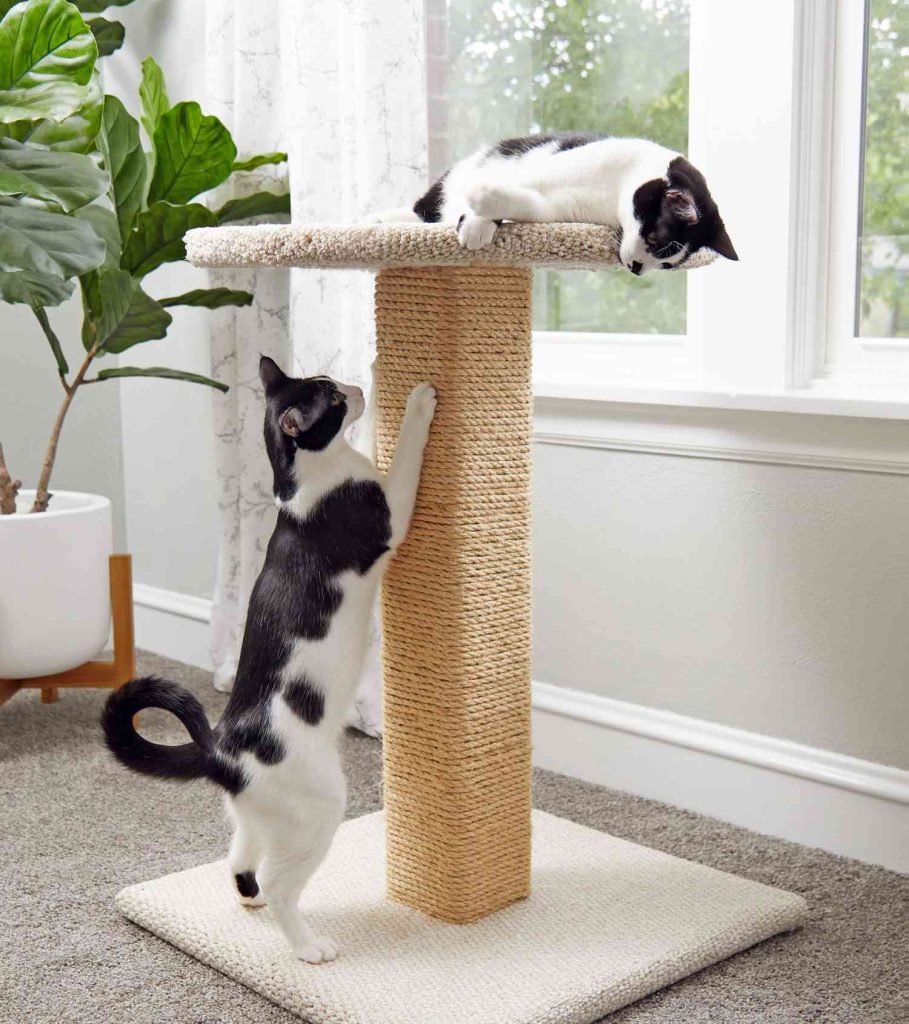
Vertical scratching posts are one of the most common types and mimic the act of scratching a tree trunk. They typically consist of a tall, sturdy post wrapped in materials like sisal or carpet. Vertical posts allow cats to stretch their bodies fully while scratching and offer a satisfying experience for them.
Horizontal scratching posts
Horizontal scratching posts are a great alternative, especially for cats who prefer to scratch in a lying or stretching position. These posts are usually flat and offer a different texture for scratching, such as corrugated cardboard. Some horizontal posts even come with a textured surface that mimics the feel of tree bark, providing a more natural scratching experience.
Combination scratching posts
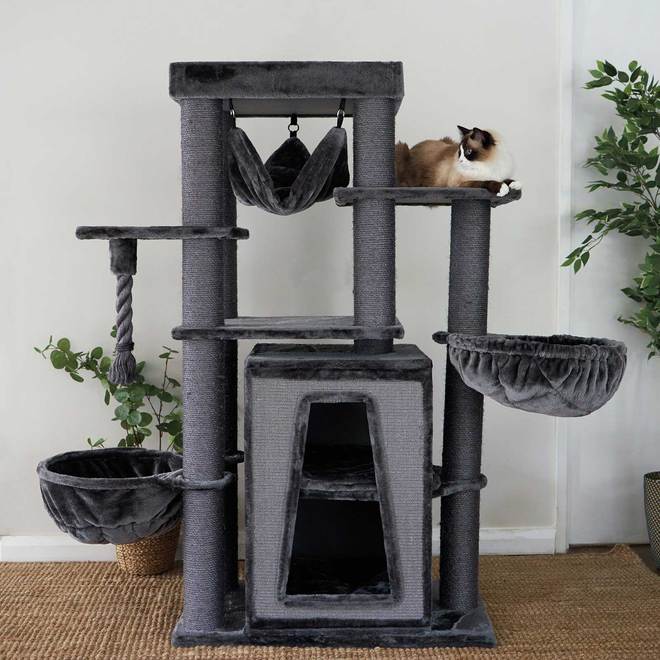
Combination scratching posts offer the best of both worlds by combining vertical and horizontal surfaces. These posts often feature a tall scratching post with attached platforms or shelves for lounging and perching. Cats can engage in both vertical and horizontal scratching, as well as enjoy elevated resting spots.
Wall-mounted scratching posts
Wall-mounted scratching posts are a space-saving option that can be installed on walls or furniture. These posts are particularly useful in homes with limited floor space. Wall-mounted posts can be positioned at different heights to cater to cats’ preferences and allow them to scratch while using vertical space.
Sisal, cardboard, and carpet scratching posts
Scratching posts come in various materials, each with its own advantages. Sisal scratching posts are popular due to their durability and texture, which closely resembles tree bark. Cats are often drawn to the rough texture of sisal posts. Cardboard scratching posts are inexpensive and easily replaceable. They are especially useful for cats who prefer horizontal scratching. Carpet scratching posts are another common option and provide a softer surface for cats to sink their claws into.

Scratching Post Placement
Proper placement of scratching posts is essential to encourage their use and prevent cats from resorting to furniture or other surfaces. Consider the following tips for optimal placement:
Strategic placement to encourage use
Place scratching posts in areas where your cat spends the most time, such as near their favorite sleeping spots or close to windows for a view. By locating scratching posts in these areas, you increase the likelihood of them being used regularly. It’s also helpful to position scratching posts near furniture that your cat has previously scratched, as this provides an alternative and redirects their behavior.
Avoiding common mistakes
Avoid placing scratching posts in isolated or unappealing areas, such as basements or laundry rooms. Cats are less likely to use them if they are not easily accessible or if there is no incentive to do so. Positioning scratching posts near heat sources or in direct sunlight should also be avoided, as this may make the post uncomfortable for your cat to scratch.
Considerations for multiple cats
If you have multiple cats, it’s important to place scratching posts in various locations to avoid competition and encourage harmony. Cats prefer having their own designated scratching areas, so having separate posts in different areas of your home is ideal. Additionally, placing scratching posts at different heights can cater to each cat’s preferences and prevent territorial disputes.
Training Cats to Use Scratching Posts
While cats have an innate urge to scratch, it may take some training and encouragement to steer them towards using the provided scratching posts. Here are some tips to help train your cat:
Positive reinforcement
Positive reinforcement, such as praise, treats, or playtime, is an effective method to encourage your cat to use the scratching post. When you see your cat approaching or using the post, reward them with verbal praise and a treat. This positive association will reinforce the behavior and increase the likelihood of them using the scratching post in the future.
Redirecting unwanted scratching
If you catch your cat scratching furniture or other unsuitable surfaces, gently redirect their behavior to the scratching post. You can do this by placing them near the post and demonstrating scratching behavior with your own hands. Alternatively, you can use a toy or a dangling string to entice them to engage with the post. Gradually, your cat will learn that the scratching post is the appropriate place to fulfill their scratching needs.
Using catnip or pheromones
Catnip and pheromone sprays can be helpful in attracting cats to the scratching post. These products can be applied directly to the post to make it more appealing and enticing for your cat. Catnip has a stimulating effect on cats and can encourage them to interact with the post. Pheromone sprays, on the other hand, mimic the natural scent cats release when they scratch and can make the post more attractive to them.
Trimming cat’s nails regularly
Regular nail trimming is another essential aspect of cat care. By keeping your cat’s nails trimmed, you can prevent them from becoming overly long and sharp. Trimmed nails are less likely to cause damage to furniture, and cats may be less inclined to scratch inappropriately if their nails are maintained at an appropriate length. You can consult your vet or a professional groomer for guidance on how to safely and effectively trim your cat’s nails.
Alternative Options
While scratching posts are the preferred choice for most cats, there are alternative options to consider that can supplement or complement your cat’s scratching needs. These alternatives include:
Scratching pads and mats
Scratching pads and mats offer an additional surface for cats to scratch. They can be placed on the floor or mounted on walls, providing more variety and opportunities for your cat. Scratching pads and mats are usually made of materials like sisal or cardboard and are easily replaceable.
Cardboard boxes
Cardboard boxes can serve as makeshift scratching areas for cats. Cats are naturally drawn to scratching on cardboard surfaces, so providing them with empty boxes can be a simple yet effective solution. You can even sprinkle some catnip inside the box to make it more enticing for your cat.
Cat trees and towers
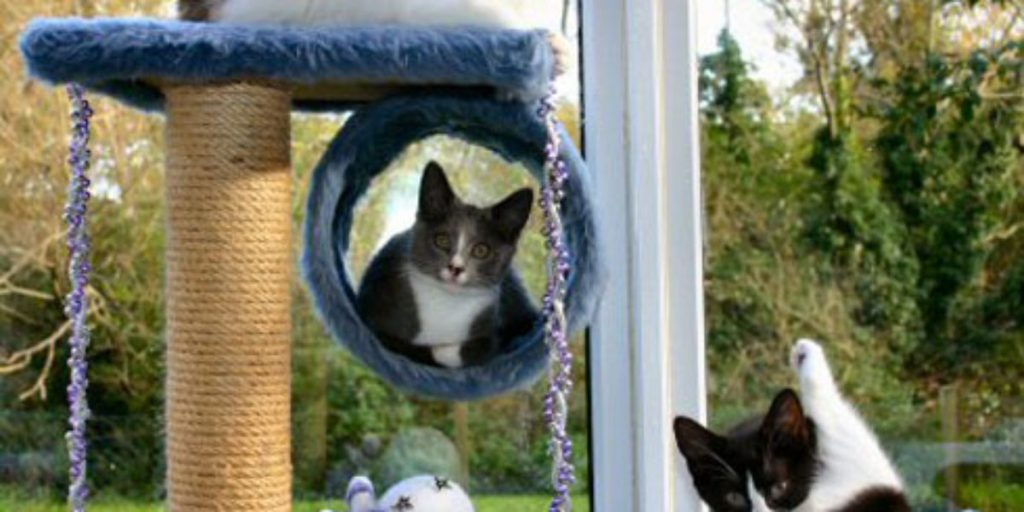
Cat trees and towers are multi-level structures that incorporate various features, including scratching posts, platforms, perches, and hiding spots. These comprehensive structures provide cats with a range of activities, including scratching, climbing, and lounging. Cat trees and towers are particularly suitable for homes with limited floor space, as they utilize vertical space effectively.
DIY Scratching Post Ideas
If you enjoy DIY projects or want to save some money, you can create your own scratching posts using simple materials and designs. Here are some ideas to get you started:
Simple materials and designs
One straightforward DIY scratching post can be made from a sturdy wooden post or a PVC pipe wrapped with sisal rope. Secure the rope tightly around the post, allowing ample surface for scratching. You can also repurpose a sturdy cardboard tube, such as those from carpet rolls, and wrap it with sisal or thick twine to create a cylindrical scratching surface.
Reusing and repurposing items
Repurposing existing items in your home is another cost-effective way to create scratching posts. For instance, you can refurbish an old ladder or a wooden pallet by attaching pieces of carpet, sisal, or fabric to the surfaces. These repurposed structures can serve as vertical or horizontal scratching options for your cat.
Safety considerations for DIY projects
When engaging in DIY projects for scratching posts, it’s important to prioritize safety. Make sure all materials used are sturdy and securely fastened to avoid any potential hazards. Check for any sharp edges or loose parts regularly to prevent accidents or injuries. Additionally, choose non-toxic materials to ensure your cat’s safety when scratching and interacting with the posts.
Maintenance and Replacement
To ensure the longevity and effectiveness of your scratching posts, regular maintenance and occasional replacement are necessary.
Cleaning and disinfecting
Scratching posts can accumulate dirt, dust, and bacteria over time. It’s important to periodically clean and disinfect them to maintain a hygienic environment for your cat. Vacuum or brush the posts to remove loose debris, and use a pet-safe disinfectant or a diluted vinegar solution to sanitize them. Follow the manufacturer’s instructions for specific cleaning recommendations.
Replacing worn-out parts or posts
Over time, scratching posts may wear out or become damaged due to repeated use. Inspect the posts regularly and replace any worn-out parts or posts as needed. This will ensure your cat always has a safe and functional scratching surface.
Extending the lifespan of scratching posts
To extend the lifespan of your scratching posts, consider rotating them periodically. Cats may lose interest in a particular post after using it for an extended period. By swapping them with a stored or alternative post, you can renew your cat’s interest and prolong the usability of the posts. Additionally, regularly trimming your cat’s nails can help prevent excessive wear and tear on the posts.
Conclusion
Providing sufficient scratching resources for your cat is vital for their overall well-being and happiness. By incorporating scratching posts into your home, you fulfill your cat’s natural instincts while safeguarding your furniture from potential damage. Remember to consider factors such as the number of cats, living space size, and the cat’s age and activity level when choosing and placing the scratching posts. Additionally, be patient and persistent when training your cat to use the posts, and consider alternative options if necessary. By following these guidelines, you can enhance your cat’s physical and mental health, creating a harmonious environment for both you and your feline companion.