Imagine this scenario: you come home after a long day, looking forward to relaxing and spending some quality time with your beloved feline companion. But as soon as you enter your living room, you notice scratch marks on your new couch. Frustration sets in, and you find yourself wondering if scratching posts actually work for cats. Do they serve a purpose other than a mere decorative item? In this article, we will explore the effectiveness of scratching posts for our feline friends and uncover the truth behind this age-old question. Yes, they do! Scratching posts are essential for cats and offer a wide range of benefits that cater to their natural instincts and overall well-being. In this comprehensive article, we will explore the various benefits of scratching posts, the different types available, tips on choosing the right one, how to train your cat to use it, common challenges, alternatives, maintenance tips, reviews, myths, and misconceptions. By the end, you’ll have a better understanding of why scratching posts are not just a luxury, but a necessity for every cat owner.
Benefits of Scratching Posts
Satisfies Instinctual Needs
Cats have an innate need to scratch. It is a natural behavior that serves multiple purposes, including the maintenance of claw health, stretching of muscles, and marking their territory. By providing a scratching post, you allow your cat to fulfill these instinctual needs in a safe and appropriate manner. It provides them with an outlet to satisfy their scratching urges without damaging your furniture or other belongings.
Promotes Physical Exercise
Scratching is not just a form of self-grooming for cats; it is also a great way to engage in physical exercise. When a cat stretches and extends their body to scratch, it helps to condition their muscles and keep them agile. Regular use of a scratching post can contribute to your cat’s overall fitness and help reduce the risk of obesity or joint problems.
Provides Mental Stimulation
In addition to physical exercise, scratching also offers mental stimulation for your cat. It engages their mind and allows them to express their natural behaviors. By providing various textures, heights, and materials in your scratching post, you can keep your cat mentally stimulated and entertained. This mental stimulation is essential for their overall well-being and can help prevent boredom-related behavioral issues.
Different Types of Scratching Posts
Traditional Vertical Posts
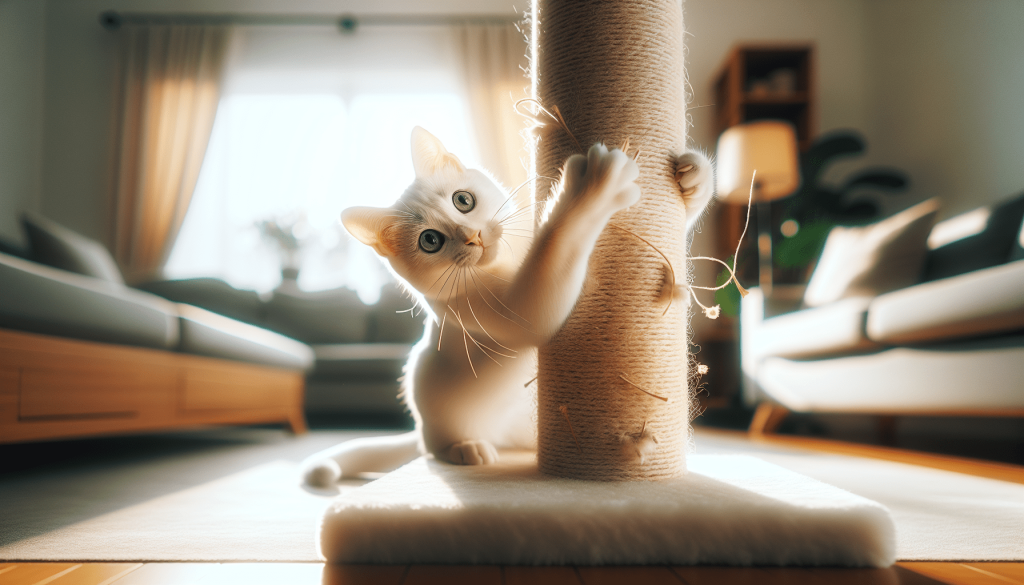
Vertical scratching posts are the most common type found in the market. They typically consist of a sturdy, upright pole covered in materials like sisal, carpet, or even natural wood. These posts allow cats to fully extend their bodies while scratching and provide them with a sense of stability.
Horizontal Scratching Surfaces
Horizontal scratching surfaces are particularly beneficial for cats who prefer to scratch in a more stretched-out position. These surfaces can be flat boards covered in materials like corrugated cardboard or carpet. They can be placed on the floor or mounted on walls, offering different angles for your cat to scratch and providing variety in their scratching routine.
Cat Trees and Condos
Cat trees and condos are multi-level structures that often include built-in scratching posts. These provide a vertical and horizontal scratching surface while also offering additional features like resting spots, hiding places, and climbing opportunities. Cat trees and condos are ideal for multi-cat households or for cats who enjoy vertical exploration.
Choosing the Right Scratching Post
Sturdy and Stable Construction
When choosing a scratching post, it is crucial to ensure that it is sturdily built and stable. Cats can be quite vigorous when scratching, so a wobbly post may discourage them from using it. Look for posts with a wide base or ones that can be securely anchored to prevent tipping or toppling over during use.
Appropriate Size and Height
Consider your cat’s size and preferences when selecting a scratching post. Cats enjoy fully stretching their bodies, so opt for taller posts that allow them to do so comfortably. Additionally, choose a post that is wide enough for your cat to climb or rest on if you’re considering a cat tree or condo.
Material Preferences
Different cats have varying material preferences when it comes to scratching. Some may prefer the rough texture of sisal, while others might prefer carpet or corrugated cardboard. Observe your cat’s scratching habits and choose a post that matches their preference. Offering a variety of materials in different areas of your home can also be beneficial in catering to their individual preferences.
Training Your Cat to Use a Scratching Post
Starting Early
Ideally, the training process for using a scratching post should begin as early as possible. Kittens have a natural inclination to scratch, so providing them with appropriate alternatives from the start helps them develop good scratching habits. Place a scratching post near their play area or in a central location in your home, making it easily accessible.
Positive Reinforcement
Positive reinforcement is key when training your cat to use a scratching post. Encourage and reward your cat whenever they use the post or show interest in it. Offer praise, treats, or playtime to associate the scratching post with positive experiences. If your cat starts scratching an inappropriate object, gently redirect them to the scratching post and reward them for using it.
Redirecting Unwanted Scratching Behavior
If your cat persists in scratching furniture or other undesirable objects, there are several strategies you can employ to redirect their behavior. Place double-sided tape or aluminum foil on the targeted surfaces to deter them from scratching there. Use deterrent sprays specifically designed for cats or consider a motion-activated device that emits a harmless deterrent sound when your cat approaches the undesired area. Simultaneously, provide more attractive scratching alternatives, such as different types of scratching posts, to encourage them to redirect their scratching behavior.
Common Challenges with Scratching Posts
Lack of Interest
In some cases, cats may show little interest in using a scratching post. This can happen if the post doesn’t match their preferences or if they have not been properly introduced to it. If your cat isn’t showing interest, try different types of scratching posts with varied materials to determine their preference. You may also need to re-introduce the post using positive reinforcement techniques to help associate it with rewards and positive experiences.
Inappropriate Scratching
Cats may occasionally engage in inappropriate scratching behavior even when a scratching post is available. This can be due to several factors, such as stress, territorial issues, or the need for additional scratching options. Addressing the underlying cause of the behavior is essential. Consult with a veterinarian or animal behaviorist to identify and resolve any underlying issues and provide additional scratching posts or alternatives in different locations to accommodate your cat’s needs.
Location Issues
The location of the scratching post plays a vital role in determining whether your cat will use it. Place the post in an area where your cat spends a significant amount of time, such as near their favorite resting spot or in a room they frequently visit. Avoid isolating the post in an area that your cat finds less appealing or inaccessible. By providing a prominent and easily accessible location, you increase the chances of your cat using the post.
Alternatives to Scratching Posts
Cardboard Scratchers
Cardboard scratchers are affordable and readily available alternatives to traditional scratching posts. They consist of stacked layers of corrugated cardboard, providing an appealing texture for scratching. Many cats enjoy the sound and feeling of scratching on cardboard, and these scratchers can be placed on the floor or walls for variety.
Scratching Pads
Scratching pads are typically flat surfaces made of materials like sisal or carpet. They are portable and can be placed anywhere in your home. Scratching pads offer a horizontal scratching option and are particularly useful for cats who prefer scratching in a stretched-out position.
Scratching Boards
Scratching boards are compact and convenient alternatives that can be mounted on walls or doors. They provide a vertical scratching surface and are ideal for homes with limited space. Scratching boards come in various materials, allowing you to choose the one that best suits your cat’s preferences.
Maintaining Scratching Posts
Regular Cleaning
To ensure your cat continues to use their scratching post, it is essential to keep it clean. Regularly remove any loose or worn-out material and vacuum or brush away excess debris. Depending on the type of post, you can occasionally spot clean it using a mild detergent or replace removable coverings if necessary. Keeping the post clean and free from any unpleasant odors will encourage your cat to continue using it.
Replacing Worn-out Material
Over time, the scratching surface of the post may wear out from your cat’s enthusiastic scratching. When the material becomes too frayed or worn, it may no longer be effective or enjoyable for your cat. Replace the worn-out material promptly to maintain the integrity and attractiveness of the scratching post.
Adding Catnip or Attractants
If your cat’s interest in their scratching post starts to wane, you can use catnip or attractants to make it more appealing. Sprinkle catnip on or near the post to entice your cat and renew their interest in using it. Additionally, you can try using specially formulated attractant sprays available in pet stores to make the post more enticing for your feline friend.
Reviews and Recommendations
Product Reviews
Reading product reviews can help you make an informed decision when selecting a scratching post. Look for posts with positive reviews and consider factors like durability, stability, and material quality. Take note of reviews from cat owners with similar preferences or cats with similar scratching habits to ensure the post will be a good fit for your pet.
Vet Recommendations
Consulting with your veterinarian can also provide valuable insight into choosing the right scratching post. Vets often have experience with different cat breeds and can provide recommendations based on your specific cat’s needs, such as appropriate materials, sizes, or height recommendations.
Cat Owner Experiences
Reach out to other cat owners for their personal experiences and recommendations. Online cat owner communities or social media groups dedicated to cats can be excellent resources for gathering practical tips and suggestions. Learning from others’ first-hand experiences can help you select the best scratching post for your feline companion.
Myths and Misconceptions
Scratching is Destructive Behavior
One common misconception about scratching is that it is a destructive behavior. While scratching can cause damage to furniture or other surfaces, it is essential to understand that scratching is a natural and necessary behavior for cats. By providing an appropriate scratching post, you can redirect and satisfy their scratching instincts.
Declawing is a Solution
Declawing is a controversial practice that involves the surgical removal of a cat’s claws. It is important to note that declawing is not an acceptable solution for redirecting scratching behavior. Not only is it an invasive and painful procedure, but it also removes a vital part of the cat’s anatomy. Scratching posts are a humane and effective alternative that allows cats to engage in their natural behaviors without resorting to surgical interventions.
All Cats Need Scratching Posts
While scratching posts are highly beneficial and recommended for most cats, individual preferences can vary. Some cats may not have a strong scratching instinct or may prefer alternative forms of entertainment. However, providing scratching posts is still crucial for most cats, as it promotes their physical and mental well-being while also protecting your furniture.
Conclusion
Scratching posts are not just furniture accessories but an essential component of cat ownership. They offer numerous benefits, including satisfying instinctual needs, promoting physical exercise, and providing mental stimulation. By understanding the different types of scratching posts available and selecting the right one based on factors like construction, size, and material preferences, you can ensure that your cat is set up for success. Training your cat to use a scratching post through positive reinforcement and addressing common challenges will further enhance their experience. Additionally, considering alternatives, proper maintenance, seeking reviews and recommendations, and dispelling myths and misconceptions will help you make informed decisions as a cat owner. Remember, scratching posts are not only effective at improving your cat’s life, but they are essential for their overall well-being and happiness.